
Why You Feel Burned Out Even When You Love Your Work
You can love your work and still feel exhausted by it. For creative, neurodivergent, highly sensitive, and high-achieving adults, burnout can be especially confusing because work is often tied to identity, purpose, survival, and self-worth. This article explores why burnout is not laziness or failure, how it lives in the nervous system, and how somatic therapy can help you reconnect with your body, boundaries, creativity, and inner authority.

When Your Body Keeps the Score of Doing Too Much: Burnout, the Nervous System, and the Multi-Passionate Life
You know how to hold a lot at once. There's the project you're finishing, the one you're starting, the collaboration you said yes to because it genuinely excites you. You are someone who lives wide. Someone who contains multitudes.
But your body might be trying to tell you something.
As a therapist in Los Angeles who is also an artist and entrepreneur, I know this terrain from the inside — including what it feels like to keep it all together through the installation, the deadline, the launch, and then finally get sick the moment it's over.
This is for you.

Why Talk Therapy Alone Isn't Working for High-Achieving Professionals — And What to Try Instead
You've done the work. You've named the patterns, traced the wounds, and built real insight into why you are the way you are. And yet — something still feels stuck. The anxiety still spikes. The disconnection is still there. The exhaustion doesn't lift no matter how well you understand it. If this sounds familiar, you're not failing at therapy. You may simply have hit the ceiling of what talking alone can reach.

What to Do If You’ve Been Denied Gender-Affirming Care Because You Don’t Fit Into the Binary Gender Cis-Tem
If you’ve been denied gender-affirming care because your identity doesn’t fit the binary mold, you’re not alone—and you’re not the problem. Gender expansive, nonconforming, fluid, and nonbinary folks are often erased by systems that weren’t built for us. As a nonbinary therapist, I offer trauma-informed, affirming support that honors your full, embodied truth. You deserve care that sees all of you.

Why Being a Multi-Passionate Person Is a Strength: Reflections from a Therapist
Growing up, I always heard I should choose one career and stick to it. But that never felt right. I was interested in many things—art, psychology, music, and healing. When I moved to Los Angeles and saw others who embraced multiple passions, I realized I could do the same. Now, as a therapist, I help others embrace their varied interests and live fulfilling lives without limits.

11 Unique Benefits of Virtual Therapy for Highly Sensitive and Neurodiverse Californians
Everyday life can be hard for highly sensitive and neurodiverse individuals in California. From personal experience, I’ve spent an hour and a half on the bus each way, made three transfers, dealt with LA traffic and parking issues, and climbed five flights of stairs to get to my therapist’s office. Some therapy spaces felt warm and welcoming, while others felt uninviting and confusing. For neurodiverse and highly sensitive people living in busy cities like Los Angeles, San Francisco, and San Diego, standard in-person therapy can often seem overwhelming, hard to access, or just not right for us.
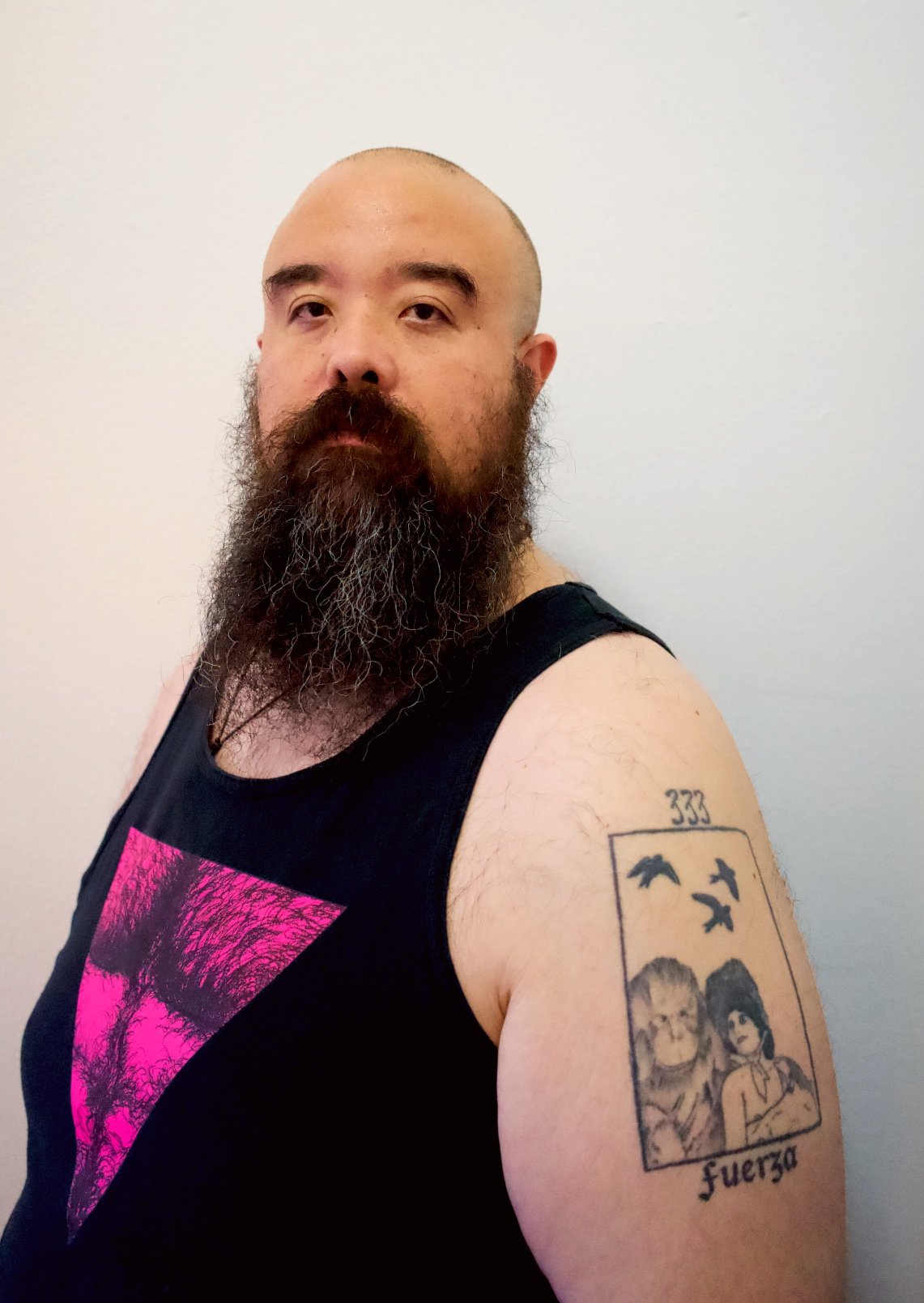
Embracing Life as a Highly Sensitive Person: My Journey from Struggle to Superpower
Growing up in a rural Southern California community, I often felt overwhelmed, wondering why life felt so intense for me while others seemed fine. Eventually, I recognized that my sensitivity wasn't a weakness—it was a gift. It helped me connect deeply with others, create meaningful art, and support my clients with true empathy. What felt overwhelming became my greatest strength, and now I fully embrace it. If you're highly sensitive, remember that this can be your superpower too.