
Why So Many Multi-Passionate Artists In LA Feel Broken Right Now
If you're an artist in Los Angeles right now, you've probably felt something shift under your feet. Production is down, funding is disappearing, and no one seems sure what AI means for your field yet. Here's why chasing five projects at once isn't a character flaw, it's a nervous system doing exactly what it should in an unstable city, and what to do about it next.
Frequently asked questions about high-control environments
A living FAQ answering real questions about high‑control environments, cult‑like dynamics, religious trauma, gyms, kink, queer and neurodivergent communities, and how trauma‑informed online therapy in California can support healing.

What Does a High-Control Environment Look or Feel Like? From Churches to Gyms to Relationships, They Come in Many Shapes and Sizes
Sometimes a high-control environment looks like a church. Sometimes it's a gym, a grad program, or a relationship you can't quite explain to anyone else. This guide walks through what these environments can look and feel like, so you can trust what you've been noticing all along.

When Ambition Feels Like Self-Betrayal: High Achievers Who Grew Up in High Control Environments
For many high achievers, ambition was never just ambition, it was a survival strategy learned inside systems that made achievement the price of safety or belonging. This post explores what happens when that drive is examined through a somatic, narrative, and decolonial lens, and what healing can look like on the other side.

Why It’s So Hard to Trust Yourself After High-Control Environments
After leaving a high-control religion, family system, cult, or institution, it can be difficult to trust yourself, your body, your choices, or even your sense of reality. This article explores why self-doubt, guilt, grief, confusion, and hypervigilance can linger after leaving controlling environments, and how somatic, trauma-informed therapy can help you rebuild inner authority, meaning, and self-trust.

Why You Feel Burned Out Even When You Love Your Work
You can love your work and still feel exhausted by it. For creative, neurodivergent, highly sensitive, and high-achieving adults, burnout can be especially confusing because work is often tied to identity, purpose, survival, and self-worth. This article explores why burnout is not laziness or failure, how it lives in the nervous system, and how somatic therapy can help you reconnect with your body, boundaries, creativity, and inner authority.

When Your Body Keeps the Score of Doing Too Much: Burnout, the Nervous System, and the Multi-Passionate Life
You know how to hold a lot at once. There's the project you're finishing, the one you're starting, the collaboration you said yes to because it genuinely excites you. You are someone who lives wide. Someone who contains multitudes.
But your body might be trying to tell you something.
As a therapist in Los Angeles who is also an artist and entrepreneur, I know this terrain from the inside — including what it feels like to keep it all together through the installation, the deadline, the launch, and then finally get sick the moment it's over.
This is for you.

What High-Achieving Professionals Don't Talk About in Therapy (And Why That Needs to Change)
You’ve checked all the boxes: the degrees, the career, the external markers of success. So why does it still feel like something is missing? Explore the hidden realities of high-functioning anxiety, the ‘hedonic treadmill’ of achievement, and why a somatic, depth-oriented approach is essential for professionals ready to stop performing and start healing.
When the MFA Almost Broke You: Healing from Art School Trauma
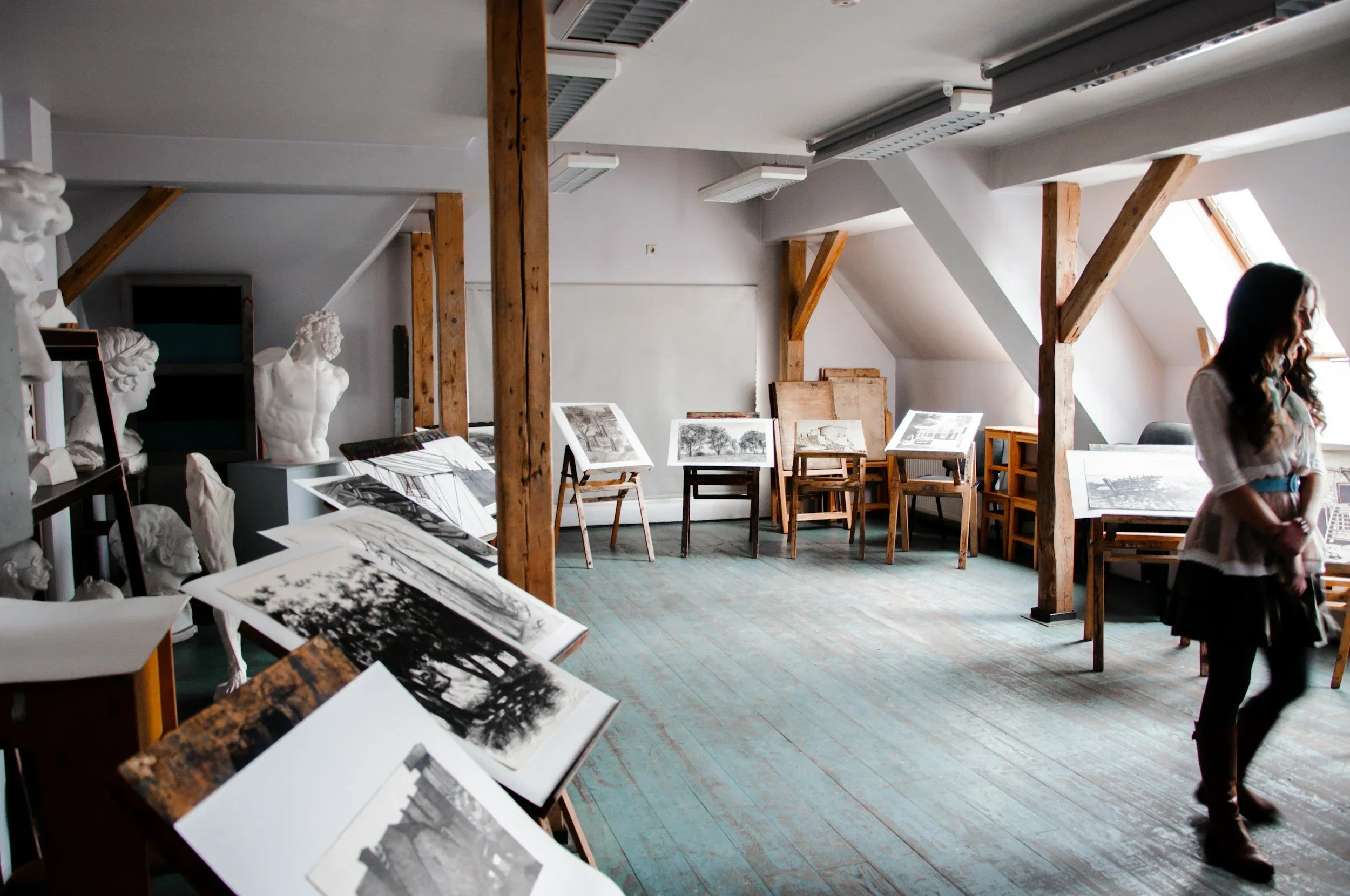
If you've ever left a graduate art program feeling like something essential was taken from you: your creative voice, your confidence, your joy in making. This post is for you. What happened has a name. And you are not the problem.

Leaving the Jehovah's Witnesses: What Happens to Your Nervous System After You Go
I was fifteen, sitting at the park with friends, when I understood, all at once, that my queerness would eventually cost me everyone at that park and more. What I didn't have words for then is what I've spent years understanding: this is exactly what happens to the nervous system when it encounters a threat too large to respond to openly. And it holds that weight for a very long time.

Why Talk Therapy Alone Isn't Working for High-Achieving Professionals — And What to Try Instead
You've done the work. You've named the patterns, traced the wounds, and built real insight into why you are the way you are. And yet — something still feels stuck. The anxiety still spikes. The disconnection is still there. The exhaustion doesn't lift no matter how well you understand it. If this sounds familiar, you're not failing at therapy. You may simply have hit the ceiling of what talking alone can reach.
Grad School Trauma Is Real: How Therapy Helps You Reclaim Your Voice And Heal From Institutional Harm
Graduate school is often framed as a time of growth and achievement, but for many people it becomes a source of lasting emotional harm. Excessive demands, power imbalances, competition, and institutional politics can leave students feeling silenced, exhausted, and disconnected from their sense of self. In art school, harsh critiques and the invalidation of creative voice can deepen these wounds, leading some people to abandon their work entirely. This article explores how grad school trauma develops, why art school trauma is real, and how therapy can help you heal, reclaim your voice, and rebuild trust in your creativity and worth.
What to Do If You’ve Been Denied Gender-Affirming Care Because You Don’t Fit Into the Binary Gender Cis-Tem
If you’ve been denied gender-affirming care because your identity doesn’t fit the binary mold, you’re not alone—and you’re not the problem. Gender expansive, nonconforming, fluid, and nonbinary folks are often erased by systems that weren’t built for us. As a nonbinary therapist, I offer trauma-informed, affirming support that honors your full, embodied truth. You deserve care that sees all of you.

Burnout in Queer, Polyam, Non-Monogamous, and Kink Communities
Burnout isn’t just about work—it can quietly erode our relationships, communities, and sense of self, especially for queer, neurodivergent, polyamorous, and kinky folks. This post explores how emotional labor, identity pressure, and communication fatigue play into burnout, and how therapy rooted in somatic, relational, trauma-informed, and parts work approaches can offer powerful pathways to healing. For those of us living expansive lives, rest and care are not luxuries—they're vital spells of reclamation.

Debunking Myths About Neurodivergence and Sensitivity in Polyamory, Kink, and Non-Monogamy
Navigating polyamory, kink, and ethically non-monogamous (ENM) relationships as a neurodivergent or highly sensitive person can be both empowering and challenging. This article aims to debunk common myths, such as the belief that neurodivergence complicates relationships or that sensory sensitivities restrict participation in kink. Instead, it emphasizes the unique strengths that neurodivergent and highly sensitive individuals contribute to these spaces, including empathy, clarity, and intentionality.
To help individuals thrive authentically in polyamorous, kink, and ENM communities, the piece offers practical tips for fostering self-awareness, encouraging open communication, and creating supportive dynamics.
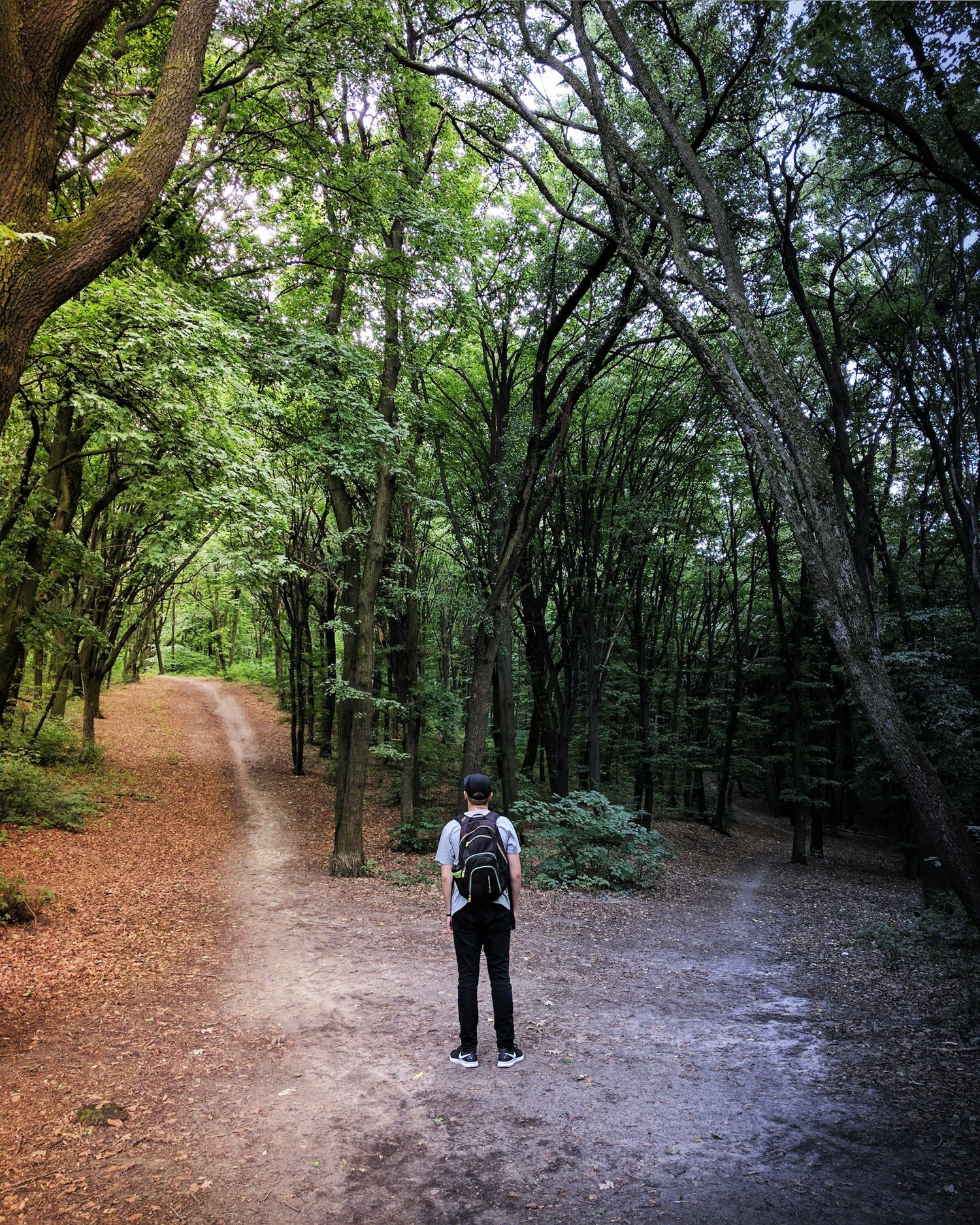
Why Being a Multi-Passionate Person Is a Strength: Reflections from a Therapist
Growing up, I always heard I should choose one career and stick to it. But that never felt right. I was interested in many things—art, psychology, music, and healing. When I moved to Los Angeles and saw others who embraced multiple passions, I realized I could do the same. Now, as a therapist, I help others embrace their varied interests and live fulfilling lives without limits.

11 Unique Benefits of Virtual Therapy for Highly Sensitive and Neurodiverse Californians
Everyday life can be hard for highly sensitive and neurodiverse individuals in California. From personal experience, I’ve spent an hour and a half on the bus each way, made three transfers, dealt with LA traffic and parking issues, and climbed five flights of stairs to get to my therapist’s office. Some therapy spaces felt warm and welcoming, while others felt uninviting and confusing. For neurodiverse and highly sensitive people living in busy cities like Los Angeles, San Francisco, and San Diego, standard in-person therapy can often seem overwhelming, hard to access, or just not right for us.
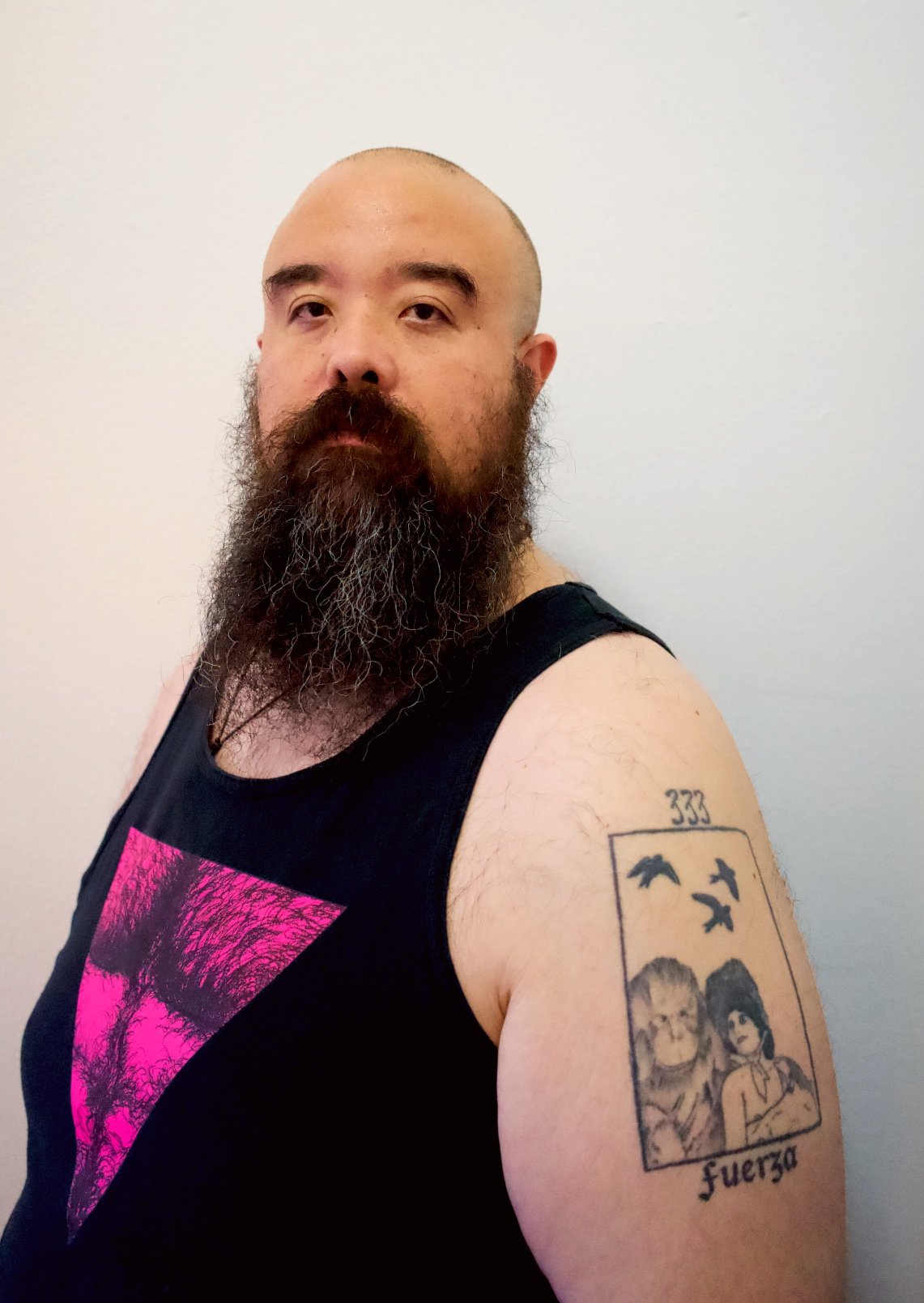
Embracing Life as a Highly Sensitive Person: My Journey from Struggle to Superpower
Growing up in a rural Southern California community, I often felt overwhelmed, wondering why life felt so intense for me while others seemed fine. Eventually, I recognized that my sensitivity wasn't a weakness—it was a gift. It helped me connect deeply with others, create meaningful art, and support my clients with true empathy. What felt overwhelming became my greatest strength, and now I fully embrace it. If you're highly sensitive, remember that this can be your superpower too.
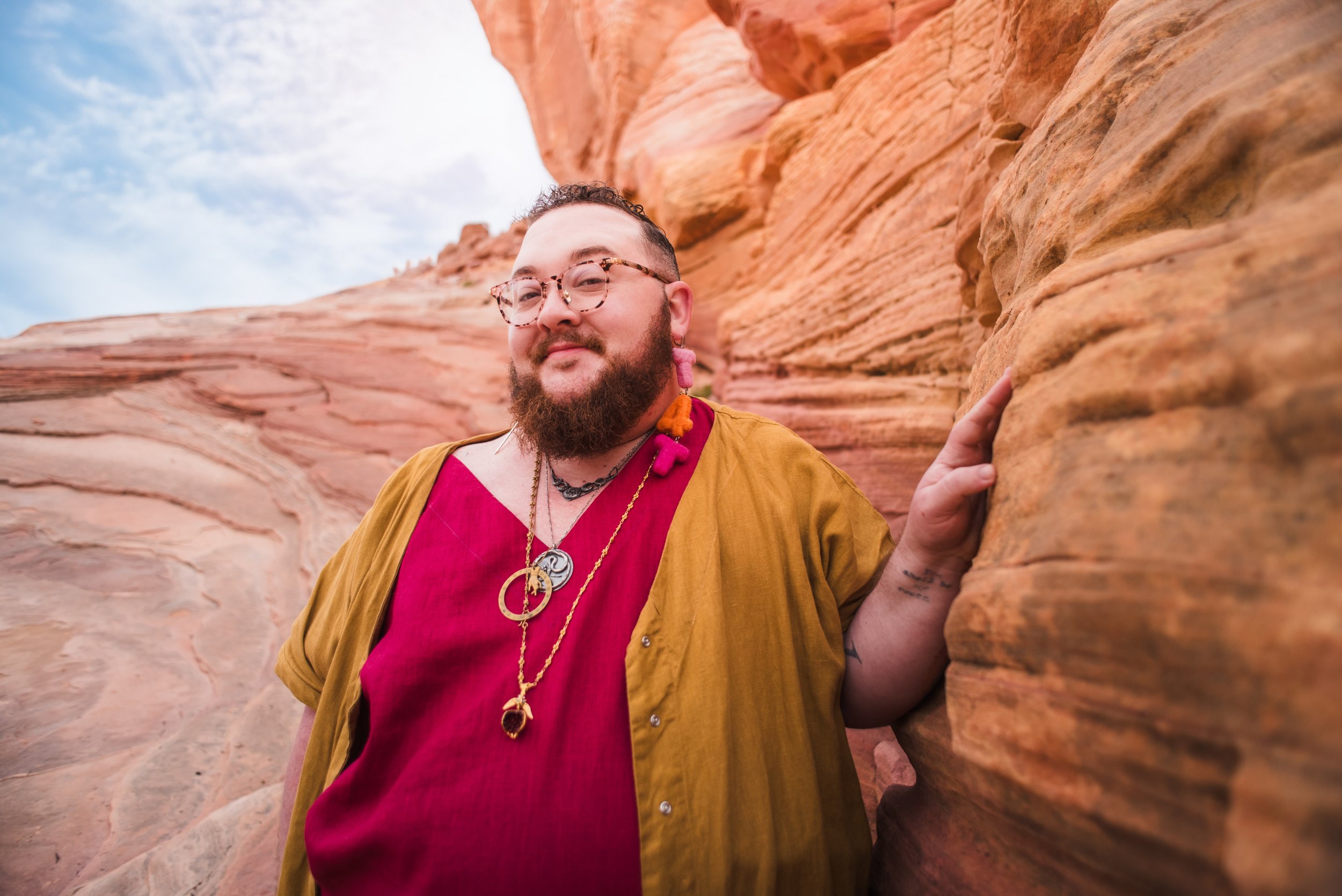
An interview with The Gender Doula, Eli Lawliet
"I thought, 'What can I build a foundation on?' and the only answer was transness. So I've been developing an animistic spirituality ever since that finds its roots in transness." - The Gender Doula