What Does a High-Control Environment Look or Feel Like? From Churches to Gyms to Relationships, They Come in Many Shapes and Sizes

High-control environments often feel less like choice and more like someone else quietly pulling the strings on your time, relationships, and sense of self.
What is a high-control environment?
Many people only hear the term “high-control environment” when they’re already in crisis, asking questions like: “Was that group a cult?” or “Is my church or relationship toxic?”
A high-control environment is any space, relationship, community, workplace, church, gym, school, or “healing” program, where your autonomy, boundaries, and self-trust are systematically undermined so you’ll conform, submit, and stay loyal to a person, group, or ideology.
These spaces often look supportive or “transformational” at first. They promise community, spiritual growth, success, or healing, while slowly using fear, shame, and subtle coercion to keep people attached.
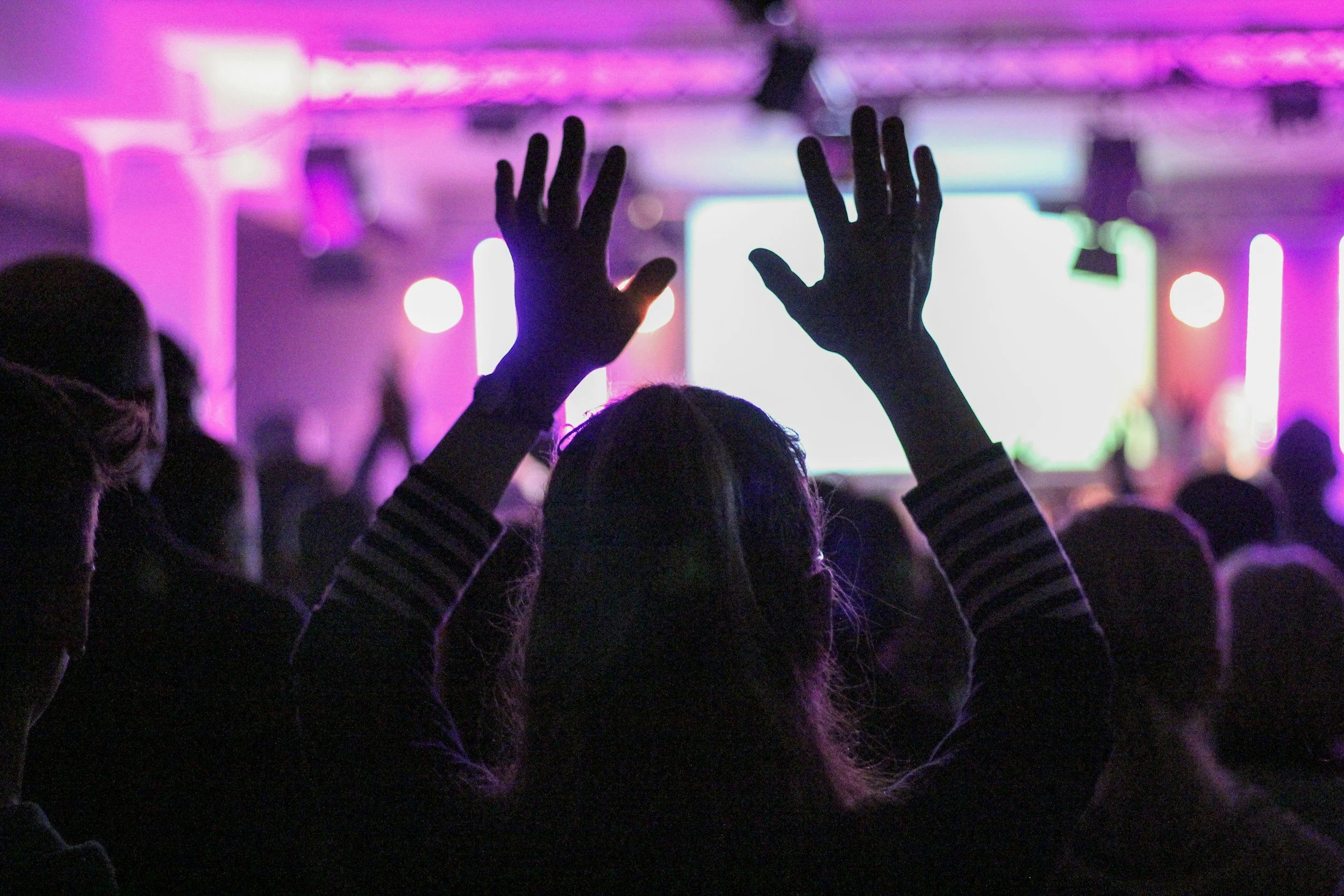
One common sign of a high-control environment is emotional intensity used to override doubt, moments designed to make questioning feel impossible.
Common signs of high-control environments
If you’re wondering “How do I know if I’m in a high-control group?” or “Is my church, yoga center, graduate program, or workplace toxic?” these patterns can be helpful to notice.
1. Everyday behavior is tightly controlled
Your schedule, clothes, diet, sex life, friendships, and even sleep are monitored or prescribed “for your own good.” High-control churches, fitness communities, spiritual groups, and workplaces often dress this up as accountability, discipline, or devotion.
2. Your self-trust is undermined
You’re taught not to trust your own thoughts, emotions, or body. Only the leader, doctrine, therapist, coach, or “system” can be trusted. Questioning is framed as rebellion, lack of faith, or proof that you’re broken.
3. Isolation and information control
You’re subtly cut off from outside perspectives: friends, family, books, media, and even other therapists are seen as “negative influences.” Leaving, resting, or seeking outside help is portrayed as dangerous or disloyal.
4. Shame, threats, and intimidation
Saying no, setting boundaries, or questioning the group leads to shaming, punishment, or warnings you’ll lose love, belonging, spiritual protection, or career opportunities. You might hear: “If you leave, bad things will happen,” or “No one else will ever understand you like we do.”
5. Utopian promise and moral superiority
The group presents itself as having the only real solution, spiritual, political, academic, fitness, healing, and belonging becomes tied to moral worth. You are either “all in” or seen as against the mission.
These signs can show up in churches, cults, workplaces, activist spaces, wellness communities, artistic programs, and intimate relationships.

High-control environments show up in unexpected places too, intense gym cultures that glorify pain and exhaustion are just as much an example as churches, academia, or cults.
Examples: churches, academia, gyms, cults, and relationships
High-control environments are not limited to “obvious cults.” They show up across many areas of life. Naming examples can help you connect the dots.

High-control churches and religious spaces can center devoted study and community, while quietly discouraging questions, doubt, or independent interpretation.
High-control churches and religious spaces
Leaders demand total obedience and teach that leaving or questioning will bring spiritual consequences, disaster, or loss of protection.
Doubts are framed as sin, disloyalty, or spiritual weakness; people who leave are villainized, pitied, or erased from the community story.

Academia and many workplaces can become high-control environments when your career, funding, and reputation depend on staying silent and compliant.
Academia and toxic workplaces
Departments or labs where questioning a supervisor’s ethics or workload leads to being frozen out of opportunities, funding, or recommendation letters.
Workplaces that idealize “family” but punish boundaries—requiring unpaid overtime, discouraging rest, and shaming people who don’t “give their whole life” to the mission.

Gyms, fitness cultures, and yoga centers can feel joyful and communal, and still slide into high-control dynamics around body image, discipline, and devotion to an instructor.
Gyms, fitness cultures, and yoga centers
“Extreme fitness” communities that insist you follow rigid diets, training schedules, and weigh-ins, and shame you for any deviation.
Yoga or wellness spaces where dissent is labeled “negative energy,” and where devotion to the teacher is more important than your body’s boundaries.
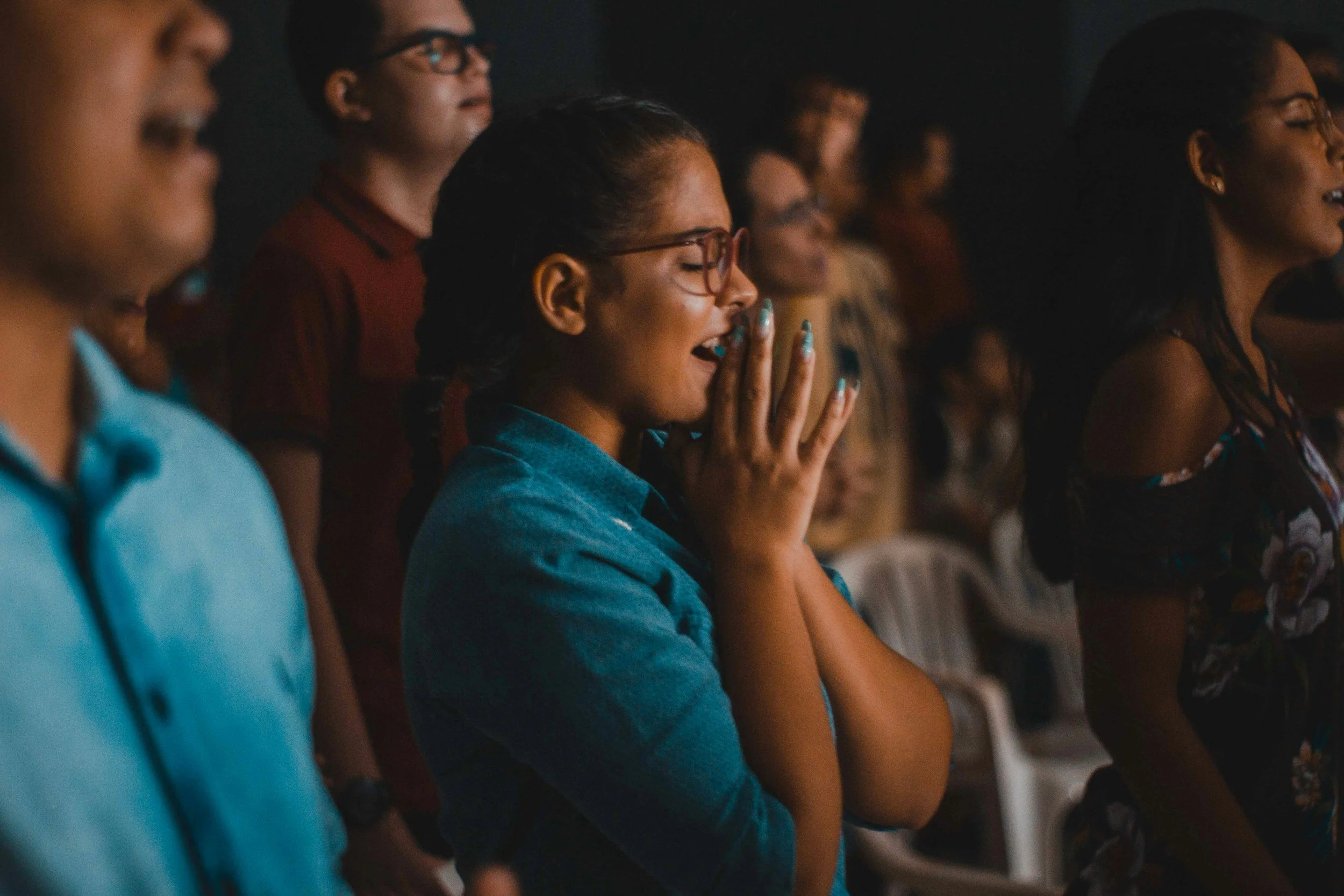
Cults and transformational groups often cultivate powerful emotional experiences that make it feel unthinkable to question the leader or leave.
Cults and ‘transformational’ groups
Groups that promise radical awakening, healing, or success if you surrender your time, money, and relationships to their program or leader.
They use “us vs. them” language, portray the outside world as blind or hostile, and create fear around leaving.

In unhealthy and abusive relationships, one partner's dismissiveness or judgment can slowly train the other to shrink, over-explain, or stop trusting their own voice.
Unhealthy and abusive relationships
One person slowly dictates what you wear, who you see, where you go, and how you spend money, while insisting it’s because they “care.”
Saying no leads to sulking, rage, silent treatment, or threats to leave or self-harm; you start editing yourself to avoid conflict.
From the inside, high-control environments often feel like shame and exhaustion you can't quite explain, even to yourself.
How high-control environments feel from the inside
Many people who find therapy after leaving high-control groups, churches, or relationships describe similar experiences:
Confusion and self-blame
You know something is off, but the group’s language makes you feel like you’re the problem, not the system. You may ask, “Was it actually a cult?” or “Am I being unfair to them?”Chronic self-doubt
You second-guess every decision and worry that you’re selfish, ungrateful, or “broken” if you think differently. Your inner compass feels damaged or missing.Anxiety, shame, and hypervigilance
Your nervous system stays on alert—afraid of making mistakes, being rejected, or losing the community. Shame becomes a constant background noise.
If this is you, your reactions are not a defect. They’re a normal response to prolonged control and manipulation.

Simple written questions—like "What happens if I say no here?"—can help you gently assess whether a space feels supportive or high-control.
Questions to ask yourself
Still not sure if you are in a high-control environment? Here are some questions that can be helpful for you to reflect on.
Please notice how these questions feel in your body and what emotions they bring up. Feel free to take some time to journal about them or speak about them with a trusted friend.
“What happens in this space if I say no?”
“How are people treated who leave, rest, or disagree?”
“Do I feel more myself over time here, or less?”
“Does this group encourage me to trust my own judgment—or only theirs?”
“Would I feel safe telling an outside therapist or trusted friend what really happens here?”
How therapy can help after high-control environments
If you’re in California and trying to heal from a high-control environment, whether a church, cult, wellness community, academic program, workplace, or relationship, trauma-informed therapy can support you in several ways:
Naming and validating your experience
Together we can put language to what happened: religious trauma, cult dynamics, coercive control, spiritual abuse, workplace or academic abuse, emotional and psychological manipulation. Having words can be profoundly stabilizing.Rebuilding self-trust and autonomy
Therapy offers a space where your choices, feelings, and boundaries are honored. We work toward reconnecting with your own inner compass after it’s been systematically undermined.Addressing nervous system and attachment wounds
High-control environments often leave anxiety, hypervigilance, chronic self-doubt, and attachment injuries. Somatic and relational approaches can help your body learn that safety can exist outside of control.Can online therapy in California help after leaving a high-control church, cult, or toxic group?
Online therapy with a trauma-informed therapist in California can be a powerful way to process religious trauma, cult recovery, and coercive control. Therapy can help you name what happened, rebuild self-trust, work with anxiety and shame in the body, and explore new ways of being in community that don’t require you to abandon yourself
If you’re searching for support in California
If you’re reading this and thinking, “I think I might be in a high-control environment,” or “I left, but I still feel stuck,” you’re not alone.
As a therapist and multidisciplinary artist based in California, I work with people navigating:
Leaving or questioning high-control churches, spiritual communities, and cults
Healing from toxic academic and workplace cultures
Recovering from controlling or emotionally abusive relationships
Rebuilding identity, creativity, and self-trust after long-term coercive control
Based in Los Angeles and licensed to provide virtual therapy throughout California, I bring together my experience as a psychotherapist, multidisciplinary artist, and spiritual practitioner to support clients navigating high-control environments and complex trauma.
My practice is affirming of LGBTQIA+ communities, relationship diversity, kink, Indigenous and alternative spiritualities, and neurodivergent ways of being.
If you’re wondering whether your church, community, workplace, or relationship might be a high-control environment—or if you’ve already left and are struggling with anxiety, shame, or disorientation—you’re welcome to reach out.
I offer a complimentary 15-minute call to explore whether working together feels supportive.
You can contact me and schedule a consultation here: https://www.edgarfabianfrias.com/contact
Frequently asked questions about high-control environments
If you’re not sure whether your experience “counts” as a high-control environment, you’re not alone. Many people first come to therapy asking, “Was it really that bad?” or “Could this happen in a church, gym, residency, or relationship?” The questions below reflect what people in California often search for when they’re trying to make sense of their story; you’re welcome to skim and see what resonates for you.
How do I know if I’m in a high-control group or cult?
You may be in a high-control group or cult if your everyday behavior is tightly controlled, you’re discouraged from trusting your own judgment, and questioning the leader or doctrine leads to shame or punishment. High-control groups often isolate you from outside perspectives and insist that leaving is dangerous or morally wrong.
Can a church be a high-control environment without being a “cult”?
Yes. Many people experience religious trauma in churches or spiritual communities that never use the word “cult.” High-control churches often demand total obedience, frame doubts as sin, and treat those who leave as spiritually sick, dangerous, or erased, even if the group looks “normal” from the outside.
Can gyms, yoga studios, or wellness communities be high-control environments?
Absolutely. High-control environments can exist in gyms, yoga studios, fitness cults, and wellness spaces that rigidly control food, exercise, and daily routines while shaming any deviation. These spaces may glorify overwork, discourage rest, and treat boundaries or dissent as negativity, disloyalty, or “lack of commitment.”
What are signs my relationship is high-control or coercively controlling?
In a high-control relationship, one person slowly dictates what you wear, who you see, where you go, and how you spend money, while insisting it’s for your safety or because they “care.” Saying no often leads to rage, sulking, silent treatment, or threats, and you start editing yourself to avoid conflict or abandonment.
Why do I still feel anxious or ashamed after leaving a high-control environment?
Many survivors of high-control environments report long-term anxiety, shame, hypervigilance, and chronic self-doubt, even after leaving. Your nervous system and sense of identity have been shaped by years of coercive control, which can make ordinary decisions feel frightening or overwhelming.
Is it normal to wonder, “Was it really that bad?” or “Was it even a cult?”
Yes. Survivors frequently minimize their experiences, especially when the group or relationship framed them as dramatic, ungrateful, or “too sensitive.” You don’t have to prove it was a cult for your pain to be valid; any system that consistently undermines your autonomy and self-trust deserves care and attention.
Can online therapy in California help after leaving a high-control church, cult, or toxic group?
Online therapy with a trauma-informed therapist in California can be a powerful way to process religious trauma, cult recovery, and coercive control. Therapy can help you name what happened, rebuild self-trust, work with anxiety and shame in the body, and explore new ways of being in community that don’t require you to abandon yourself.
What if I was never “officially” a member, can I still be affected by a high-control environment?
Yes. You can be deeply impacted by a high-control church, group, residency, or gym even if you were never a formal member or didn’t stay long. Being immersed in coercive dynamics, even temporarily, can shape your nervous system, self-trust, and relationships. You don’t need a membership card or long timeline for your experience to matter.
What if part of the environment really helped me, does that mean it wasn’t harmful?
It’s common to feel both gratitude and harm toward the same environment. A group, church, or program can offer meaning, community, or creative opportunities and still be controlling or abusive. Holding the “both/and” of help and harm is often a central part of healing, and therapy can support you in honoring the good without minimizing the damage.
Can therapists, coaches, or spiritual teachers create high-control environments?
Yes. High-control dynamics can absolutely show up in therapy, coaching, and spiritual direction. This might look like a practitioner discouraging you from seeing other providers, deciding your life choices for you, crossing boundaries, or framing dissent as resistance to healing. You’re allowed to talk about this in therapy and seek care that centers consent and collaboration.
How do high-control environments show up in activist or social justice spaces?
Activist and social justice communities can be deeply healing, and can also become high-control when purity tests, rigid hierarchies, or call-out culture replace consent and dialogue. You might notice fear of making mistakes, pressure to conform to one “right” way of doing things, or punishment for asking nuanced questions. It’s okay to seek support if a space meant for liberation starts to feel controlling.
What if the person or group never yelled or physically hurt me—can it still be coercive control?
Coercive control often relies more on subtle manipulation than overt violence. Someone may use charm, spiritual language, intellectual authority, or emotional dependence to shape your choices. If you feel chronically afraid to say no, guilty for having your own needs, or like you’re walking on eggshells, that’s meaningful—even if there were no obvious outbursts.
How do high-control environments affect creativity and artistic practice?
For artists and creatives, high-control environments can narrow what feels “allowed” to explore, publish, or perform. You might start censoring your own work, shaping everything around a leader’s tastes, or abandoning experimental impulses to stay safe. Therapy can help you reconnect with your creative voice outside of the group’s rules and expectations.
Is it common to miss the community, even if I know it was harmful?
Yes. Missing the people, rituals, or sense of belonging in a high-control environment is very common. Humans naturally grieve lost connection, even when that connection was complicated or harmful. Healing doesn’t require you to pretend you don’t miss anyone; instead, we can honor that grief while building safer forms of community.