Frequently asked questions about high-control environments
If you’re not sure whether your experience “counts” as a high-control environment, you’re not alone. Many people first come to therapy asking, “Was it really that bad?” or “Could this really happen in a church, gym, residency, or relationship?”, or “Are creative residencies and art schools sometimes cult‑like?”
The questions below reflect what people in California often search for when they’re trying to make sense of their story; you’re welcome to skim and see what resonates for you.
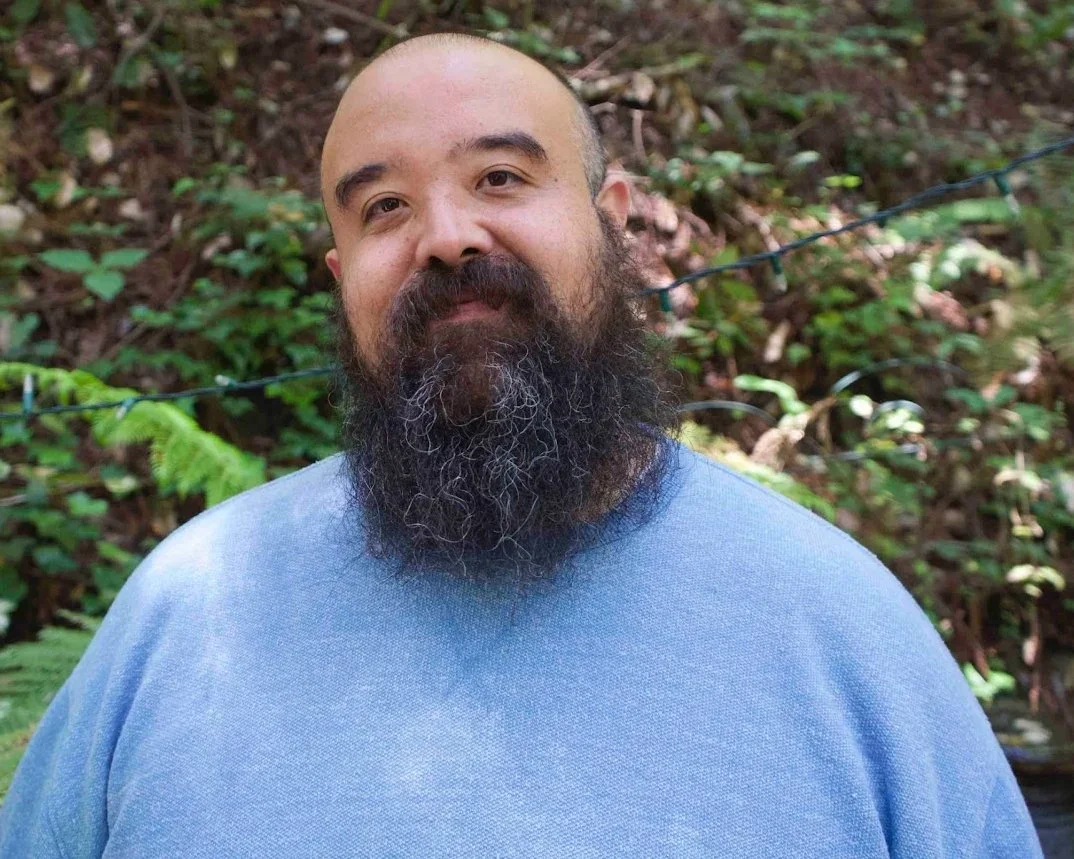
Edgar Fabián Frías, LMFT, offers affirming online therapy across California for people healing from high-control environments, cults, and coercive control.
Before we dive in, let me introduce myself, my name is Edgar and I am a trauma‑informed, queer and trans‑affirming online therapy in California for survivors of high‑control environments.
How do I know if I’m in a high-control group or cult?
You may be in a high-control group or cult if your everyday behavior is tightly controlled, you’re discouraged from trusting your own judgment, and questioning the leader or doctrine leads to shame or punishment. High-control groups often isolate you from outside perspectives and insist that leaving is dangerous or morally wrong.
Can a church be a high-control environment without being a “cult”?
Yes. Many people experience religious trauma in churches or spiritual communities that never use the word “cult.” High-control churches often demand total obedience through coercive control, frame doubts as sin, and treat those who leave as spiritually sick, dangerous, or erased, even if the group looks “normal” from the outside.
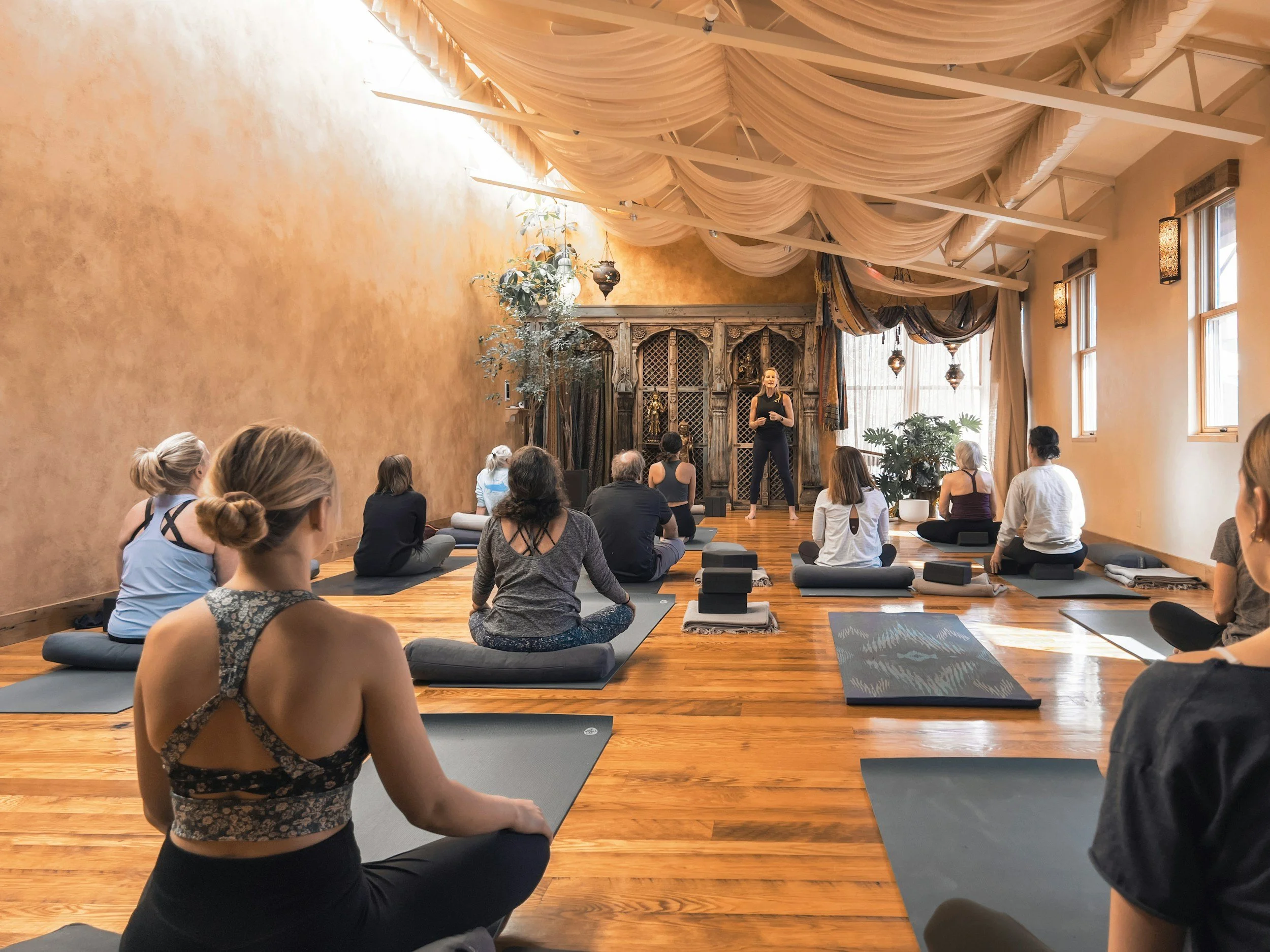
High-control environments don’t just happen in churches, gyms, yoga studios, and wellness centers can also create cult-like dynamics and coercive control.
Can gyms, yoga studios, or wellness communities be high-control environments?
Absolutely. High-control environments can exist in gyms, yoga studios, fitness cults, and wellness spaces that rigidly control food, exercise, and daily routines while shaming any deviation. These spaces may glorify overwork, discourage rest, and treat boundaries or dissent as negativity, disloyalty, or “lack of commitment.” There is a difference though between what would be considered a “toxic yoga environment” or a “toxic gym” vs a high-control environment and that is the level of control, coercion, and commitment that is expected from you as an attendant.
What are signs my relationship is high-control or coercively controlling?
In a high-control relationship, one person slowly dictates what you wear, who you see, where you go, and how you spend money, while insisting it’s for your safety or because they “care.” Saying no often leads to rage, sulking, silent treatment, or threats, and you start editing yourself to avoid conflict or abandonment.
Why do I still feel anxious or ashamed after leaving a high-control environment?
Many survivors of high-control environments report long-term anxiety, shame, hypervigilance, and chronic self-doubt, even after leaving. Your nervous system and sense of identity have been shaped by years of coercive control, which can make ordinary decisions feel frightening or overwhelming.
Academic and graduate programs can be more than “toxic” when fear of retaliation shapes every decision, this is a hallmark of high-control academic environments.
Is my graduate program toxic or is it a high-control environment?
Many students describe their graduate program as “toxic,” but what they’re really naming are high-control dynamics: your schedule and labor are tightly controlled, your supervisor can make or break your career, and questioning the culture is framed as weakness, laziness, or being “not cut out for academia.” You might feel afraid to take time off, seek therapy, change advisors, or report harm because you’ve been told you’ll never work “in this field” again. Those threats and fears are part of coercive control, not just normal academic stress.
Is it normal to wonder, “Was it really that bad?” or “Was it even a cult?”
Yes. Survivors frequently minimize their experiences, especially when the group or relationship framed them as dramatic, ungrateful, or “too sensitive.” You don’t have to prove it was a cult for your pain to be valid; any system that consistently undermines your autonomy and self-trust deserves care and attention.
Can online therapy in California help after leaving a high-control church, cult, or toxic group?
Online therapy with a trauma-informed therapist in California can be a powerful way to process religious trauma, cult recovery, and coercive control. Therapy can help you name what happened, rebuild self-trust, work with anxiety and shame in the body, and explore new ways of being in community that don’t require you to abandon yourself. Learn more about my background as a psychotherapist and multidisciplinary artist, working with cult survival and religious trauma.
What if I was never “officially” a member, can I still be affected by a high-control environment?
Yes. You can be deeply impacted by a high-control church, group, residency, or gym even if you were never a formal member or didn’t stay long. Being immersed in coercive dynamics, even temporarily, can shape your nervous system, self-trust, and relationships. You don’t need a membership card or long timeline for your experience to matter.

It’s common to feel both helped and harmed by the same community or program; high-control environments often mix genuine care with coercive control.
What if part of the environment really helped me, does that mean it wasn’t harmful?
It’s common to feel both gratitude and harm toward the same environment. A group, church, or program can offer meaning, community, or creative opportunities and still be controlling or abusive. Holding the “both/and” of help and harm is often a central part of healing, and therapy can support you in honoring the good without minimizing the damage.
Can therapists, coaches, or spiritual teachers create high-control environments?
Yes. High-control dynamics can absolutely show up in therapy, coaching, and spiritual direction. This might look like a practitioner discouraging you from seeing other providers, deciding your life choices for you, crossing boundaries, or framing dissent as resistance to healing. You’re allowed to talk about this in therapy and seek care that centers consent and collaboration.

Activist and social justice spaces can become high-control when fear, purity tests, and punishment replace consent, repair, and collaborative power.
How do high-control environments show up in activist or social justice spaces?
Activist and social justice communities can be deeply healing, and can also become high-control when purity tests, rigid hierarchies, or call-out culture replace consent and dialogue. You might notice fear of making mistakes, pressure to conform to one “right” way of doing things, or punishment for asking nuanced questions. It’s okay to seek support if a space meant for liberation starts to feel controlling.
What if the person or group never yelled or physically hurt me—can it still be coercive control?
Coercive control often relies more on subtle manipulation than overt violence. Someone may use charm, spiritual language, intellectual authority, or emotional dependence to shape your choices. If you feel chronically afraid to say no, guilty for having your own needs, or like you’re walking on eggshells, that’s meaningful—even if there were no obvious outbursts.
How do high-control environments affect creativity and artistic practice?
For artists and creatives, high-control environments can narrow what feels “allowed” to explore, publish, or perform. You might start censoring your own work, shaping everything around a leader’s tastes, or abandoning experimental impulses to stay safe. Therapy can help you reconnect with your creative voice outside of the group’s rules and expectations.
Is it common to miss the community, even if I know it was harmful?
Yes. Missing the people, rituals, or sense of belonging in a high-control environment is very common. Humans naturally grieve lost connection, even when that connection was complicated or harmful. Healing doesn’t require you to pretend you don’t miss anyone; instead, we can honor that grief while building safer forms of community.
Can I work on this in therapy even if I’m not ready to leave the environment yet?
Yes. You do not have to leave a church, community, job, or relationship before coming to therapy. We can explore your experience, build internal resources, and slowly clarify what feels true and possible for you. Therapy is about supporting your agency, not telling you what to do. You can always schedule a free 15‑minute call with me to discuss your own unique situation.
How do I know if I’m recreating high-control dynamics in my own projects or relationships?
It’s common for survivors to worry about repeating what they’ve lived through. Therapy can help you notice where you slip into over-responsibility, control, or perfectionism, and where you might unconsciously recreate hierarchies or secrecy. The goal isn’t to shame you, but to build more consentful, collaborative ways of leading and relating.
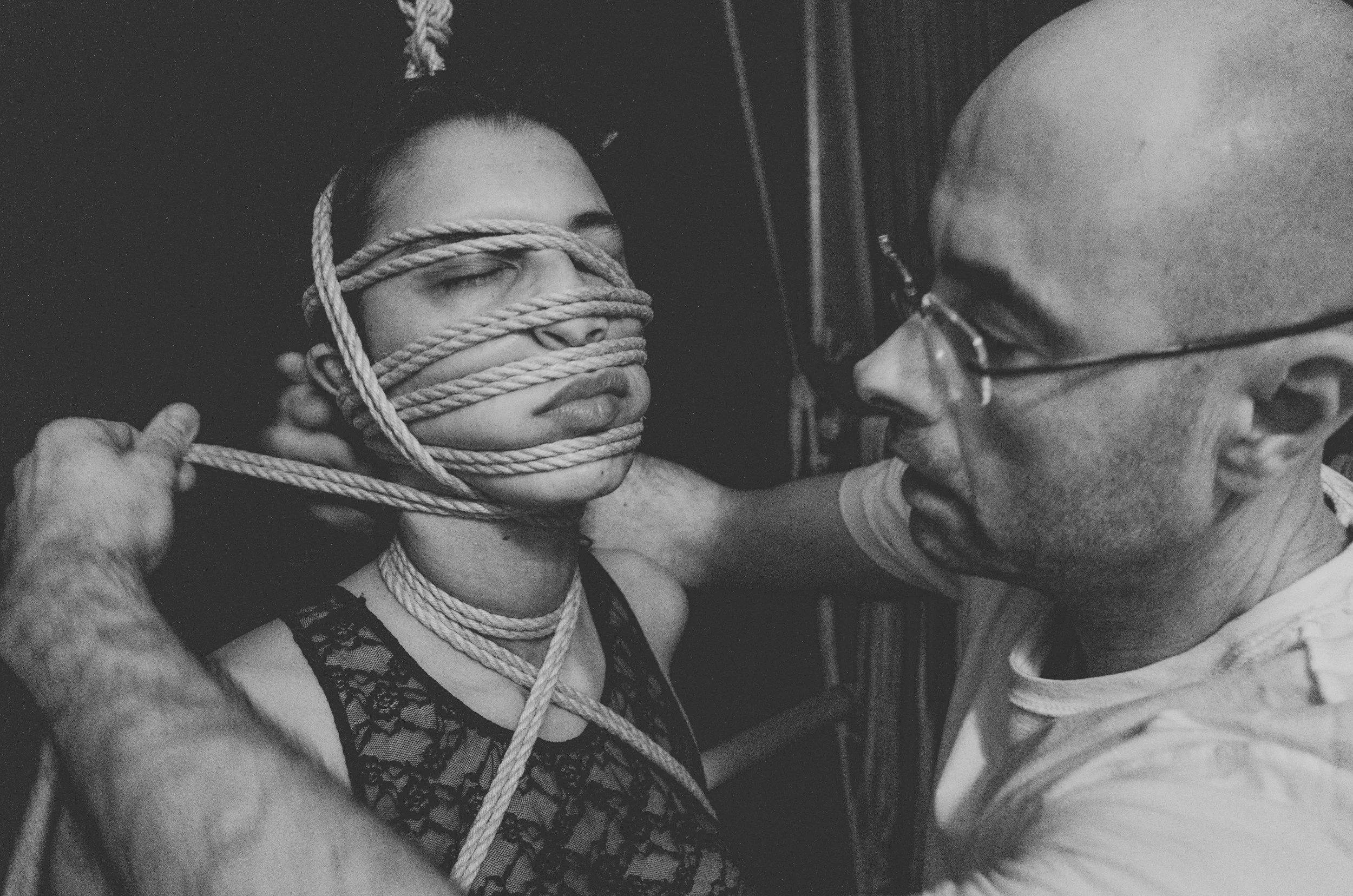
Kink can often be a healing space for those who participate with consent and communicate regularly. Unfortunately, these spaces can also re-create harmful high-control dynamics as well.
Can kink dynamics or BDSM relationships become high-control environments?
Yes. While consensual kink and BDSM are built on negotiation, informed consent, and aftercare, these dynamics can become high-control when one person uses roles (Dom/sub, Master/slave, Owner/pet) to override agreed-upon limits rather than honor them. If “consent” is assumed instead of negotiated, your no is ignored, or you’re shamed for wanting to adjust an agreement, the dynamic may be moving from consensual power exchange into coercive control.
How do I tell the difference between consensual kink and coercive control?
In consensual kink, you have space to negotiate, revise, and revoke agreements without being punished or emotionally manipulated. There’s an emphasis on safety, communication, and mutual care. In coercive control, the other person treats your boundaries as obstacles, uses kink language to justify non-consensual behavior, or threatens withdrawal of affection or community if you speak up. If you feel like saying no will cost you everything, that’s important information.
Can kink or polyamory communities become high-control environments?
Yes. Any community—kink, polyamory, spiritual, artistic—can become high-control when a leader or core group decides what relationships, identities, or practices are “acceptable,” and punishes difference or dissent. This can look like rigid rules about who you’re allowed to date, pressure to adopt specific labels, or social shunning if you raise concerns about consent or safety. You’re allowed to seek support if a space meant to be liberatory starts to feel controlling.
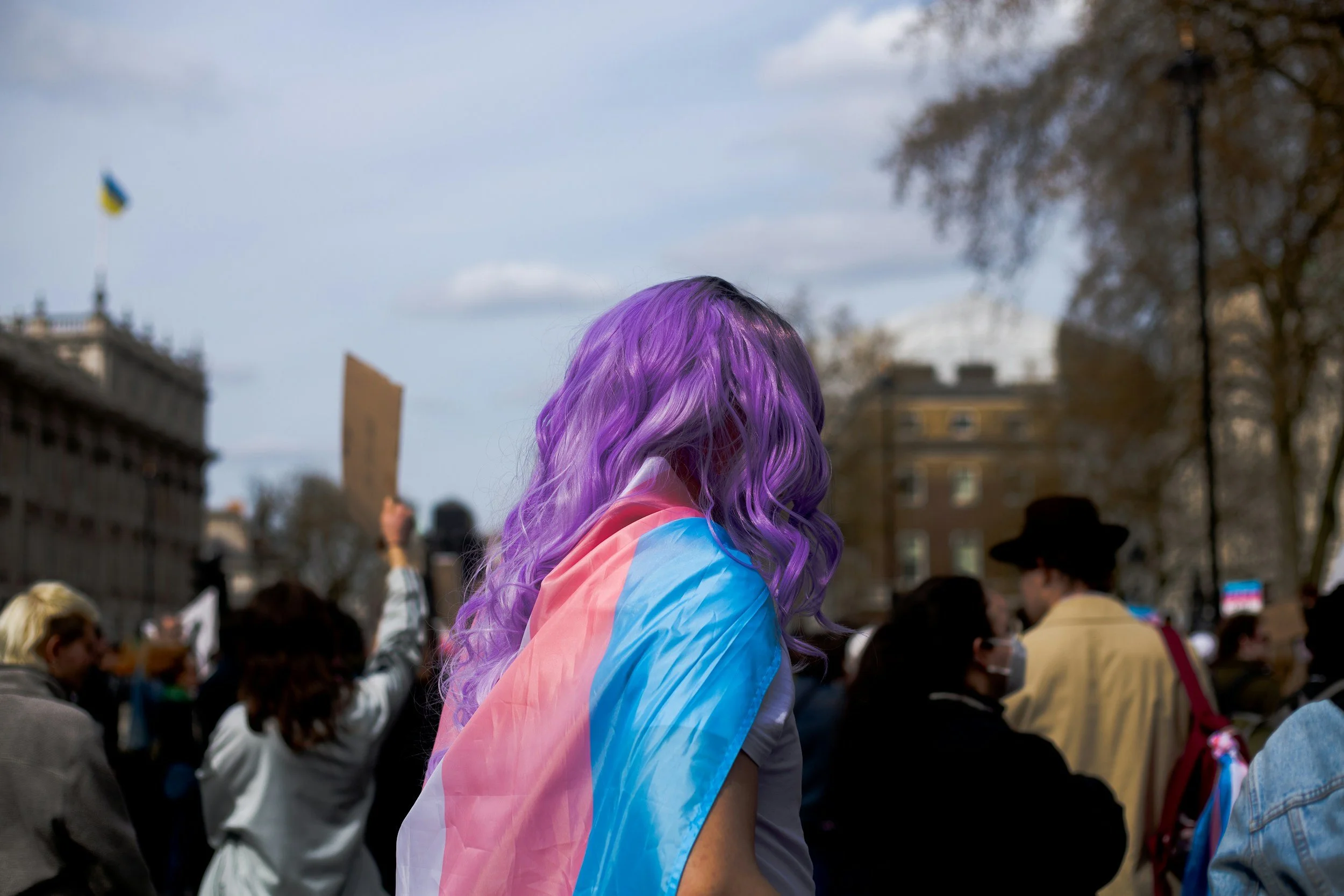
Queer and trans people often seek safety and belonging, which can make affirming communities, and the high-control dynamics inside them, especially powerful.
Why might queer and trans people be more vulnerable to high-control environments?
Queer and trans people are often navigating family rejection, systemic violence, and a deep longing for safety and belonging. When a group, church, chosen family, or community offers affirmation and visibility, it can feel life-saving—and that can make it harder to notice when control and harm creep in. If you’ve been told you’re “too much” or “not enough” your whole life, groups that promise unconditional acceptance can have a lot of power, for better and for worse.
How do high-control environments impact queer and trans identity and expression?
In queer/trans spaces, high-control dynamics can show up as rigid rules around “correct” language, presentation, or politics, where questioning the norm is framed as betrayal. You might feel pressure to conform to a particular version of queerness, transition, or relationship structure to stay included. Over time, this can make you doubt your own sense of gender and sexuality, and feel afraid to explore or change. Therapy can create a space where your identity is allowed to be fluid and self-directed.
Why might neurodivergent or highly sensitive people be especially affected by high-control environments?
Neurodivergent and highly sensitive people often pick up on subtle shifts in tone, tension, or expectation and can experience them very intensely. In high-control environments, constant monitoring, rule changes, or unspoken expectations can be overwhelming. You may feel chronically overstimulated, exhausted from masking, or terrified of making a social mistake. Because many ND/HSP folks have histories of being misunderstood or gaslit, they may also be more likely to doubt their own perceptions when a group denies harm.
How do high-control environments interact with masking and people-pleasing in neurodivergent folks?
If you’ve learned to mask, people-please, or over-function to stay safe, high-control groups can latch onto those patterns. You might become the “perfect” member or student, constantly adapting to others’ needs and ignoring your own. Over time, it can feel like you don’t know who you are without the group’s rules. In therapy, we can gently separate survival strategies from your core self and explore what it’s like to move through the world with more choice.

Creative residencies, collectives, and art schools can also function as high-control environments when access to opportunities is tied to silence and loyalty.
Can creative residencies, collectives, or art schools be high-control environments?
Yes. Artistic spaces can become high-control when a director, curator, or mentor holds disproportionate power over opportunities, visibility, and belonging, and uses that power to demand loyalty or silence. This might look like being punished for setting boundaries around labor, being told your work must fit one aesthetic or ideology, or feeling afraid to speak up about harm because your career is on the line. Your creative practice deserves spaces that challenge you without eroding your autonomy.
How do high-control environments affect spiritual practitioners, witches, and alternative spiritualities?
For folks drawn to witchcraft, ancestral work, or alternative spirituality, high-control dynamics can show up when a teacher or group insists they’re the only legitimate channel to your guides, ancestors, or “true path.” You might be discouraged from experimenting, working with your own intuition, or learning from multiple traditions. If someone uses spiritual language to override your consent, shame your doubts, or claim exclusive access to your healing, that’s worth taking seriously.
What if my kink/queer/neurodivergent community is the only place I feel seen—how can I question it safely?
It’s very real to feel like a community is both your lifeline and the source of harm. Therapy doesn’t require you to abandon spaces that make you feel seen; instead, we can explore how to hold your belonging and your boundaries at the same time. This might mean noticing which parts feel nourishing, which feel controlling, and experimenting with small acts of self-trust—like naming a need, taking a break, or widening your circle of support—at a pace that feels doable for your nervous system.
If you’re reading this and thinking, “I have so many questions,” you’re not alone. If there’s something you’re wondering about, a church, a gym, a residency, a kink dynamic, a relationship, feel free to drop your question in the comments. I’ll keep coming back to this post and adding new answers over time so this FAQ can grow with the real questions folks are asking.