Faith Deconstruction Beyond Religion: Unlearning High-Control Environments in Los Angeles
When people hear the phrase faith deconstruction, they often imagine someone questioning the religion or church in which they were raised.
That is an important and often life-changing form of deconstruction. But religion is not the only place where we learn to place our faith.
We can place faith in a family’s version of who we are supposed to be. We can place faith in an academic institution, artistic community, spiritual teacher, intimate partner, political movement, wellness practice, or professional culture. We can be taught that a particular system knows what is best for us, and that our belonging, success, safety, or identity depends on not questioning it.
In that sense, deconstruction can happen anywhere we begin examining beliefs that once felt unquestionable.
It can involve asking:
Who taught me to believe this?
What happened when I questioned it?
Did this belief help me survive, belong, or succeed?
What parts of this story are actually mine?
What might I believe if fear, shame, or rejection were not deciding for me?
Deconstruction is not simply changing your mind. It can be the slower and more vulnerable process of rebuilding your relationship with your own perception.

Deconstruction often starts when the weight of inherited certainties becomes too heavy to carry, leaving you alone with questions you were never allowed to ask.
What Deconstruction Means
The phrase faith deconstruction is most often used to describe critically examining religious beliefs, practices, and systems of authority. For some people, this process leads to a different relationship with faith. For others, it leads away from organized religion or spirituality altogether.
There is no single correct destination.
I also find the idea of deconstruction helpful beyond explicitly religious settings. I use it to describe the process of identifying inherited narratives, examining the systems that reinforced them, and deciding what you want to carry forward.
This does not mean that every uncomfortable community is a cult, every harmful relationship is a religion, or every experience of disappointment is trauma. It means that many systems, religious and secular, can shape what we believe about authority, belonging, goodness, success, and ourselves.
Sometimes we leave the system physically before we can leave it psychologically. Its rules may continue living inside us as self-doubt, perfectionism, shame, fear, or an inability to trust our instincts.
Faith Beyond Religion
Faith is not limited to belief in a god.
We may have faith that our family knows us better than we know ourselves. We may believe that a mentor must see something we cannot when they criticize, humiliate, or exploit us. We may trust that an institution’s reputation means it will protect us.
We may have faith that if we work hard enough, become desirable enough, remain loyal enough, or suppress enough of ourselves, we will eventually receive the safety and belonging we were promised.
These beliefs do not develop because we are naïve or weak. They can emerge because human beings depend on relationships and communities. We learn what is safe, valued, and acceptable from the systems around us.
Families transmit beliefs, values, roles, coping patterns, and expectations across generations. Family-systems research describes how autonomy and connection can become entangled and how relational patterns may reverberate across multiple generations.
Deconstruction begins when we become curious about that inheritance.

In family systems with rigid roles, you can feel completely isolated even while sitting in the center of the room.
Family Deconstruction
A family can give us love, culture, protection, meaning, and connection. Families can also assign rigid roles that make belonging conditional.
Perhaps you learned that:
Keeping the peace was more important than telling the truth.
Your needs were selfish or excessive.
Loyalty meant remaining silent about harm.
Your worth came from achievement, caretaking, or emotional compliance.
Anger was dangerous unless it belonged to the most powerful person.
Being queer, trans, neurodivergent, disabled, sensitive, or different would threaten the family’s stability.
Separating from the family’s expectations meant betrayal.
Family deconstruction does not necessarily mean rejecting your family or everything they taught you. It may mean becoming able to distinguish love from obedience, connection from fusion, and cultural belonging from the erasure of your individuality.
It can also mean grieving the family you needed while deciding what kind of relationships you want now.

Academia trains us to measure our worth by external critique, often mistaking institutional loyalty and exhaustion for true intellectual rigor.
Academic Deconstruction
Academia often presents itself as a place of intellectual freedom. Yet graduate programs, laboratories, art schools, and professional training programs can contain enormous power imbalances.
A professor, supervisor, advisor, or celebrated artist may influence funding, professional connections, recommendations, publication opportunities, and whether a student can remain in a program. Research on academic bullying has documented behaviors such as belittlement, exclusion, threats, public humiliation, retaliation, and interference with academic or career progress.
Within these environments, people may learn narratives such as:
Suffering proves that I am serious about my work.
If I cannot tolerate this environment, I am not talented enough.
Harmful behavior is acceptable when it comes from someone brilliant.
My advisor understands my work—and my potential—better than I do.
Reporting mistreatment will destroy my future.
Burnout is the price of belonging here.
When an institution that claims to support learning minimizes harm or protects powerful people, the experience may also involve institutional betrayal. This term describes the additional injury that can occur when a trusted institution fails to prevent harm, respond appropriately, or support people who depend upon it.
Academic deconstruction can involve separating your intelligence, creativity, and purpose from the institution that once claimed authority over them.
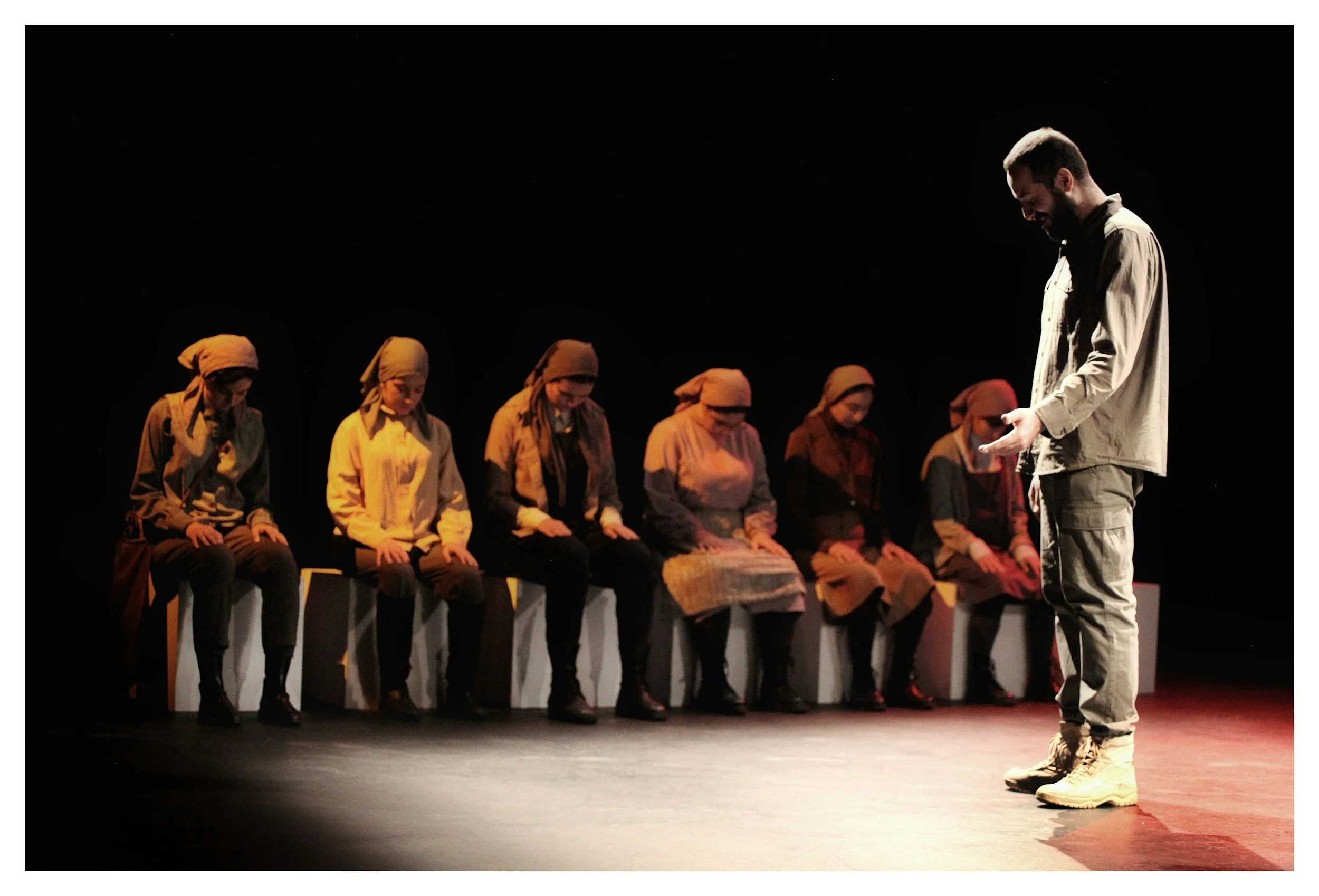
Creative circles can cultivate deep artistry, but charismatic leadership can quietly blur the line between devotion to the work and emotional exploitation.
Creative Communities
Los Angeles is home to acting studios, writers’ rooms, production companies, art schools, galleries, workshops, collectives, and informal creative circles.
These communities can offer genuine mentorship and life-changing connection. They can also blur the boundaries between work, identity, friendship, and belonging.
A charismatic teacher or influential person may be treated as someone whose vision should not be questioned. Exploitation may be reframed as paying your dues. Boundary violations may be normalized as artistic experimentation. Cruelty may be defended as honesty, rigor, genius, or preparation for a competitive industry.
You may begin to believe:
I have to tolerate humiliation to become a better artist.
If this person rejects me, my career is over.
Rest means I am not committed.
My body, story, or trauma must remain available for other people’s creative use.
Recognition from powerful people determines whether my work has value.
Questioning the group means I am jealous, difficult, or untalented.
Deconstructing these narratives does not require giving up your ambition or creativity. It may help you reclaim both from systems that taught you to confuse artistic devotion with self-abandonment.

Wellness and spiritual spaces frequently promise transcendence, yet they can become another arena where self-doubt is framed as a personal failing.
Wellness and Spirituality
Deconstruction can also happen in spaces that promise transformation.
Los Angeles contains a wide range of New Age spiritual communities, yoga studios, gyms, coaching programs, healing circles, and wellness spaces. Many offer meaningful practices and sincere community. Others may organize themselves around charismatic authority, rigid expectations, financial pressure, escalating levels of access, or claims that one teacher or method possesses a special truth.
In a high-control wellness or spiritual environment, questioning may be labeled resistance. Distress may be blamed on your mindset, energy, vibration, trauma, ego, diet, commitment, or failure to surrender.
You might be encouraged to believe:
If the practice is not working, I am doing it wrong.
Doubt means I am not evolved enough.
My physical or emotional discomfort is proof that healing is happening.
The teacher understands my intuition better than I do.
Setting a boundary means I am afraid of transformation.
Leaving means returning to an unenlightened or unhealthy life.
A community can use spiritual language without being formally religious. Spiritual abuse and high-control dynamics are defined less by a group’s specific beliefs than by what happens to your autonomy, access to information, boundaries, relationships, and ability to disagree.

Controlling dynamics keep you constantly walking on eggshells, training your nervous system to stay braced for confrontation or blame.
Relationships and Control
Deconstruction may also be part of leaving, or reevaluating, an abusive or controlling relationship.
Coercive control is not defined by one isolated disagreement. It involves an ongoing pattern of behavior that gradually restricts another person’s autonomy, equality, and independence.
In a controlling relationship, you may be trained to doubt your memory, minimize your discomfort, anticipate another person’s reactions, or believe that their jealousy and surveillance are evidence of love.
Over time, you may internalize beliefs such as:
I am too sensitive.
I cannot make good decisions without them.
My boundaries hurt other people.
Conflict is always my fault.
No one else will understand or want me.
If I explain myself perfectly, the harm will stop.
Leaving the relationship may not immediately remove those beliefs. Deconstruction can include recognizing how the relationship shaped your reality and gradually learning to treat your perceptions as meaningful again.
Why It Takes Time
If a belief helped you preserve connection, avoid punishment, maintain employment, receive approval, or survive a powerful environment, your body may not experience questioning it as a purely intellectual exercise.
You may understand cognitively that a system was harmful and still feel afraid when you disobey its rules. You may know that an authority figure no longer controls your life while continuing to brace for their judgment.
This is one reason deconstruction can feel disorienting . You are not only reconsidering an idea. You may also be renegotiating identity, attachment, safety, community, morality, ambition, and meaning.
You might experience:
Grief for a community or future you thought you would have
Anger about what was taken from you
Shame about having participated or stayed
Fear that questioning will make you selfish or unsafe
Relief followed by guilt
Difficulty making seemingly small decisions
Longing for the certainty the system once provided
Confusion about what you believe now
A persistent need for permission or reassurance
These responses do not mean that you are deconstructing incorrectly. They may reflect how deeply the former system shaped your sense of safety and belonging.
Deconstruction Through the Body
Healing is not always accomplished by replacing an old set of beliefs with a new one.
Sometimes the new belief: “I am allowed to say no,” for example, is intellectually clear, but your body still responds to saying no with panic, collapse, guilt, or an urge to appease.
A somatic and trauma-informed approach makes space for both levels of the experience. It allows us to explore not only what you were taught, but how those teachings continue to appear in your nervous system, relationships, decisions, and sense of self.
This work might involve noticing what happens inside you when you disagree, disappoint someone, change your mind, rest, experience pleasure, set a boundary, or make a choice without consulting an authority figure.
The goal is not to tell you what you should believe. It is to help create enough internal space for your beliefs and choices to become genuinely yours.
You Choose What Remains
Deconstruction does not require rejecting everything that came before.
You may decide that some beliefs, traditions, relationships, creative practices, or spiritual rituals still feel meaningful. You may reclaim them on different terms. You may leave other parts behind.
You may also remain uncertain for a while.
The purpose is not to exchange one rigid narrative for another. It is to restore your ability to question, discern, choose, and change—to become the author of your relationship with meaning rather than the obedient subject of someone else’s certainty.

Online therapy offers a non-judgmental space to slow down, listen to your body, and rebuild a life rooted in your own inner authority.
Therapy for Deconstruction
If you are questioning a religion, family structure, abusive relationship, graduate program, creative community, spiritual group, yoga studio, gym, or another high-control environment, you do not need to have the perfect language for what happened before seeking support.
I am Edgar Fabián Frías, a Licensed Marriage and Family Therapist, somatic practitioner, multidisciplinary artist, and queer, nonbinary person based in Los Angeles. I was raised from birth within the Jehovah’s Witness community, and my work is informed by both clinical training and lived experience of religious deconstruction, identity rupture, institutional harm, and rebuilding life outside a high-control environment.
I bring particular understanding to the experiences of queer, trans, neurodivergent, highly sensitive, and creative people whose difference may have been pathologized or used against them within controlling systems.
My role is not to decide what you should believe, whether you should leave, or what your relationship with faith, family, creativity, or spirituality should become.
Our work can instead help you understand what happened, listen to the responses held in your body, reclaim your inner authority, and build a life organized around greater choice.
I offer somatic, trauma-informed online therapy for faith deconstruction and healing from high-control environments in Los Angeles and throughout California.
If you are ready to begin questioning the narratives that have shaped your life, and discovering what feels true when you are allowed to choose, you can reach out for a free 15-minute consultation.