Therapy for Religious, Spiritual, and Institutional Trauma

You may be here because…
Something that once claimed to offer meaning, safety, or guidance ended up causing harm.
You might be carrying fear, shame, grief, anger, or confusion connected to religion, spirituality, academia, art school, or another institution that held power over your life.
You may still feel the presence of this institution in your body—in how you second-guess yourself, brace for judgment, or struggle to trust your own instincts.
Some people arrive here after leaving a religious, spiritual, or academic community. Others are still inside one, unsure how to name what doesn’t feel right. Some aren’t sure they want anything to do with spirituality or institutions at all anymore.
However you arrived, you don’t need to have clarity before beginning.
You may have learned to survive by…
Overriding your intuition to stay connected or safe
Disconnecting from your body, desires, or inner life
Internalizing blame for harm that wasn’t yours
Swinging between longing for meaning and rejecting it entirely
These responses often made sense at the time. They are not signs of weakness—they’re signs of adaptation.

In our work together, we slow things down. We make room for what happened, how it shaped you, and what you want now—without pressure to believe, forgive, or resolve anything prematurely.
This is not about replacing one belief system with another. It’s about restoring choice, agency, and trust in yourself.
All parts of you are welcome here, including the parts that feel conflicted, skeptical, angry, grieving, or still searching.
What Therapy Can Offer
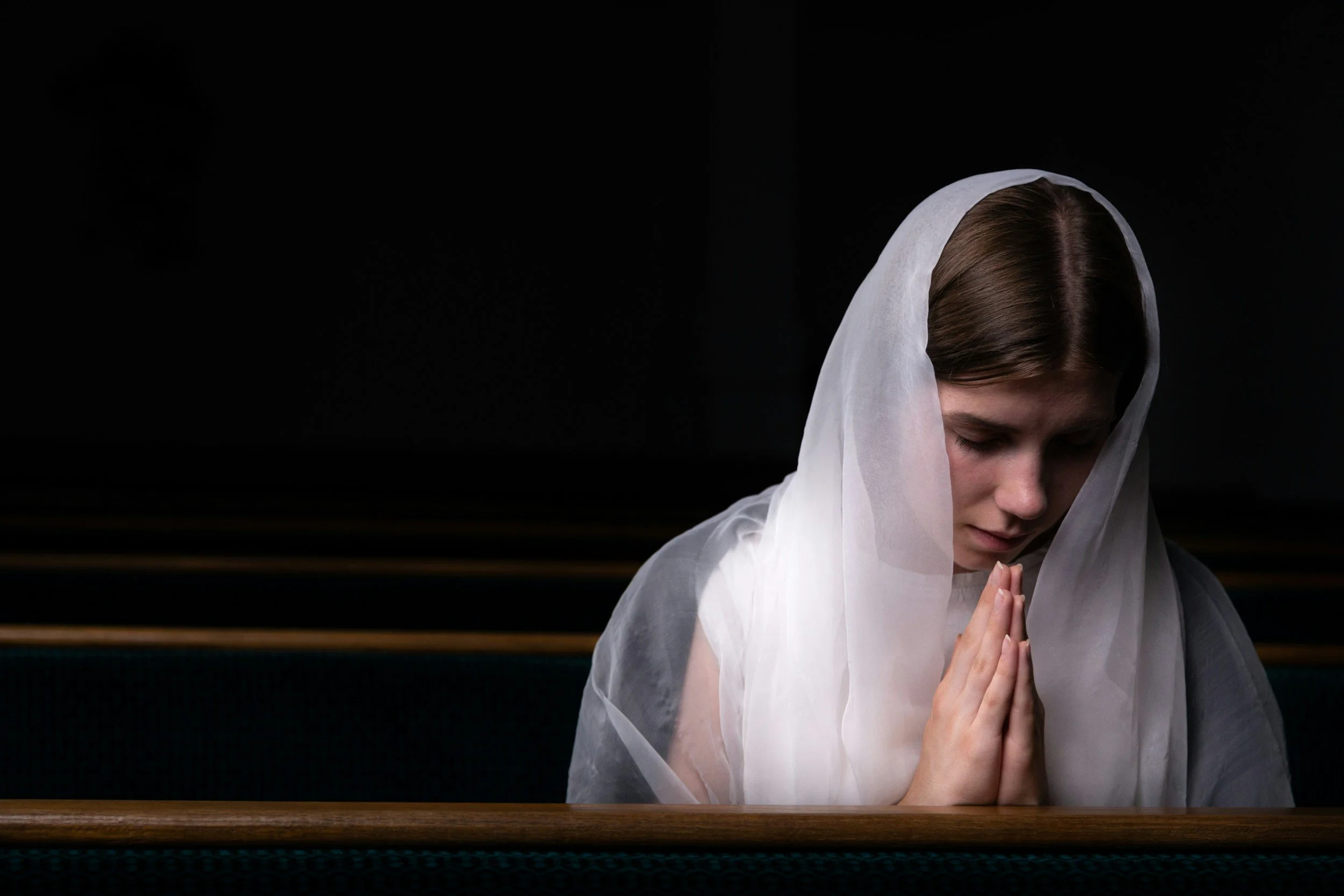
Understanding Institutional Harm From the Inside
My clinical work is deeply informed by lived experience navigating systems that can be profoundly shaping and, at times, deeply harmful.
I was raised from birth within the Jehovah’s Witness church, and as a teenager, came to understand that my queerness would eventually place me at odds with my entire community.
That realization was not only relationally devastating, but epistemologically disorienting—requiring me, at a young age, to question authority, belonging, truth, and survival all at once.
This early rupture has profoundly shaped how I understand identity loss, exile, and the long-term impact of high-control environments.
Professionally, I have also worked within systems that expose people to cumulative trauma, including roles in social services and victim advocacy.
These experiences—while meaningful—were not without cost, and left their own imprint.
In parallel, I have navigated multiple graduate programs across disciplines, including a recent MFA program that was experienced as destabilizing and harmful by some.
Through this, and through my work with dozens of clients, I have witnessed how academic and art-world institutions can erode confidence, creativity, and self-trust—particularly for queer, neurodivergent, and highly sensitive people.

FAQs
-
Therapy is different for everyone. Some people come in for a few months to work through something specific, while others stay longer for more profound healing and ongoing support. Together, we’ll check in about your goals and pace as we go. You never have to commit to a certain number of sessions up front. This is your journey, and we’ll move at the rhythm that feels right for you.
-
Sessions are 55 minutes long and via telehealth (secure video or phone). Sessions are spacious and collaborative. I’ll invite you to share what’s been coming up for you—emotionally, mentally, and physically—and we’ll follow what feels alive in the moment. Sometimes that looks like talking through life patterns or recent challenges; other times it might include mindfulness, visualization, or gentle somatic awareness. My role is to help you deepen your relationship with yourself and your body’s wisdom.
-
I currently only offer secure virtual sessions to clients located in California via video or phone. This allows you to connect from home, your studio, or wherever you feel most comfortable.
-
You can schedule a free 15-minute consultation directly through my website. This is a chance for us to connect, see if we’re a good fit, and answer any initial questions you might have. There’s no pressure to commit; it’s just a space to get a sense of what working together could feel like.
-
My current session rate is $250.
-
I’m an out-of-network provider, which means clients pay directly and can request reimbursement from their insurance if they have out-of-network benefits.
-
I have both weekly and bi-weekly spots available. Feel free to ask about this during your consultation.
-
I Have A No Cancellation Policy
Once an appointment is scheduled, it is final and non-cancellable, with no refunds or rescheduling for missed sessions.
However, I offer one "freebie" per year for unannounced cancellations due to unforeseen circumstances. Beyond that, any breaks or time off must be discussed and agreed upon in advance.
Please note, there may also be times when I will take time off for holidays or personal reasons, and I will always give notice when this occurs. Thank you for your understanding and commitment to your mental health journey.description
-
As an artist and therapist, I see creativity as a powerful tool for healing and transformation. We might use creative visualization, journaling, storytelling, ritual, or symbolic imagery to help you express what words can’t. You don’t need to consider yourself an artist; you just need to be open to imagination as a form of wisdom.
-
Yes — if that’s something that resonates with you. Many of my clients come from diverse spiritual paths, including earth-based, ancestral, witchy, or mystical traditions. Together, we can weave in ritual, energy work, or intuitive practices when they feel supportive.
-
You are absolutely welcome here. My approach is never about pushing any belief system. Whether you’re atheist, agnostic, or simply not interested in spirituality, therapy with me can remain entirely grounded and practical. The core of our work is curiosity, self-understanding, and growth — not dogma. You get to decide how we shape the space.
-
I bring together psychology, art, and spirituality to support the whole self — body, mind, and soul. My background as a licensed psychotherapist, artist, and witch allows me to bridge evidence-based therapy with ritual, imagination, and embodied wisdom. This isn’t one-size-fits-all therapy; it’s a space for profound transformation that honors who you truly are.
-
You have the right to receive a “Good Faith Estimate” explaining how much your medical care will cost.
Under the law, healthcare providers need to give patients who don’t have insurance or who are not using insurance an estimate of the bill for medical items and services.
You have the right to receive a Good Faith Estimate for the total expected cost of any non-emergency items or services. This includes related costs like medical tests, prescription drugs, equipment, and hospital fees.
Make sure your healthcare provider gives you a Good Faith Estimate in writing at least 1 business day before your medical service or item. You can also ask your health care provider, and any other provider you choose, for a Good Faith Estimate before you schedule an item or service.
If you receive a bill that is at least $400 more than your Good Faith Estimate, you can dispute the bill.
Make sure to save a copy or picture of your Good Faith Estimate. For questions or more information about your right to a Good Faith Estimate, visit WWW.CMS.GOV/NOSURPRISES or call 800-985-3059.