Grad School Trauma Is Real: How Therapy Helps You Reclaim Your Voice And Heal From Institutional Harm

Many graduates leave academia carrying invisible wounds. Grad school can leave lasting emotional and psychological harm that often goes unacknowledged.
Is grad school trauma real?
Graduate school is a unique life stage where your whole identity is on the line, and that can feel terrifying. We’re emerging adults shouldering huge workloads, steep tuition, and often family or work responsibilities, all while trying to form a new sense of self. Under those conditions, even ordinary criticism or failure can feel like a personal catastrophe.
When this is combined with toxic academic environments that prioritize productivity and output over the very human need to rest, integrate, and make meaning, along with institutional politics and abusive, extractive relationships, it creates what many people ultimately describe as “grad school trauma.”
In fact, research confirms that graduate students are far more stressed than the general population: one large survey found 41% of graduate students had moderate-to-severe anxiety and 39% had moderate-to-severe depression. By 2019, about 88% reported feeling overwhelmed and 87% exhausted. These numbers show that it’s normal to feel on edge — and that graduate school itself can be traumatizing.
One study even found roughly 31% of grad students exhibited post-traumatic stress symptoms (like intrusive thoughts or hypervigilance) during the COVID era. The takeaway is that if you’ve felt crushed by academic or creative pressure, you’re not alone and it’s not your fault. This much stress can create real wounds, but the good news is that those wounds can heal.
The Unique Wounds That Can Happen In Grad School
Graduate school can wound people in ways that are both subtle and cumulative. Excessive and often unspoken demands normalize chronic overwork, blurred boundaries, and the expectation that one’s identity, worth, and future livelihood should be tethered to constant productivity.
Within this pressure cooker, students frequently become containers for unresolved dynamics: advisors project their own disappointments, stalled careers, or institutional frustrations onto those with less power, while mistakes are treated not as part of learning but as evidence of personal failure. The result is a climate where self-doubt, hypervigilance, and emotional exhaustion quietly take root.
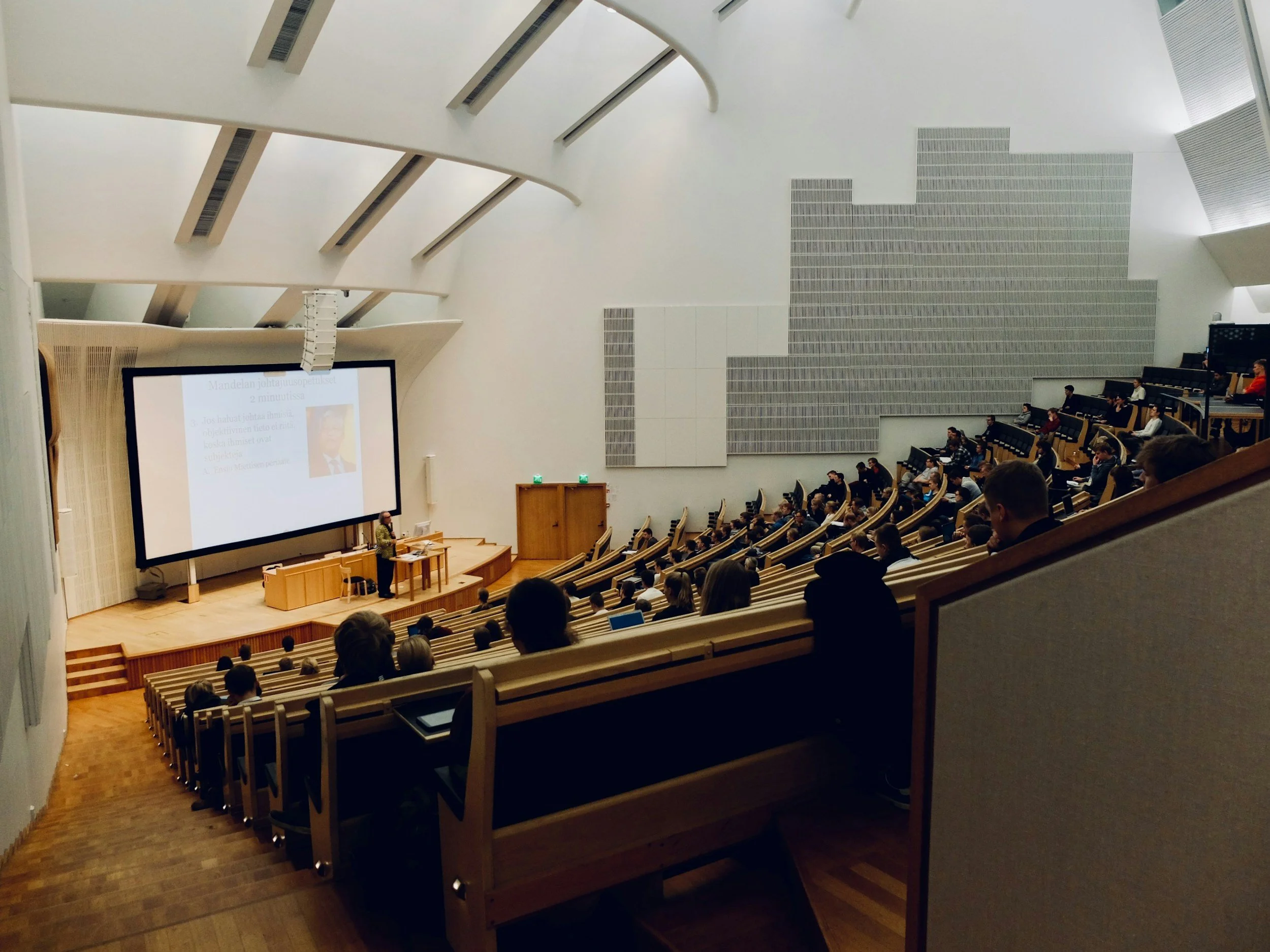
What makes graduate school uniquely traumatizing is not just stress, but the profound power imbalance built into the system, where students depend on a small number of people for their financial stability, academic survival, and future careers.
At the same time, graduate programs are structured around competition and artificial scarcity. Funding, opportunities, praise, and even basic affirmation are framed as limited resources, encouraging comparison rather than collaboration.
Institutions often pit faculty against one another through opaque hierarchies, precarity, and internal politics, which then trickle down to students. This creates an environment where relationships feel fragile and transactional, where trust is risky, and where community-building can feel unsafe or unsustainable.
Add to this the lack of clear feedback, shifting expectations, cultural isolation, and the silencing of dissent, and it becomes clear why so many people leave graduate school carrying deep wounds. What is often framed as “rigor” is, in reality, an ecosystem that can erode a person’s sense of safety, voice, and belonging.
These dynamics often hit hardest for students who are queer, trans, BIPOC, disabled, first-generation, or working-class—especially when their identities or cultural frameworks are treated as “too political,” “too personal,” or “not rigorous enough.”
Much of grad school trauma is not caused by a single event, but by repeated micro-injuries over time, making it harder to name, and easier to dismiss.

MFA Art critique can sometimes become a place where your worst insecurities are highlighted or, even worse, put on display for others to pick apart and attack.
When Critiques Cut Deep: Art School Trauma
For those of us who went to art school or creative grad programs, there’s another hidden layer of pain. Art school critiques, intended to help us grow, can sometimes feel like personal attacks.
I experienced this firsthand during my MFA at UC Berkeley. I loved making playful, joyful, spiritual art, but some professors didn’t “get” my vision.
One instructor bluntly told me that my metaphysical themes were inappropriate, and even suggested other students ignore my work. At the time I had a supportive community cheering me on, but I saw classmates who weren’t so lucky.
The constant criticism and dismissal made some of them doubt themselves completely. I still know people who stopped making art because of how badly they were wounded by the program. Those are scars we don’t talk about enough. When the people evaluating your art or ideas invalidate your voice, it hurts, and that hurt can last long after school ends.
Over time, this kind of environment can lead to patterns like:
Feeling voiceless or intellectually erased
Losing confidence in creativity or research instincts
Chronic perfectionism and imposter syndrome
Burnout, emotional numbness, or pressure to “fit the mold”
Acknowledging these feelings is the first step. Grad school can be toxic, and those wounds are real. You deserve support and healing.

Your voice matters. Therapy is a place where you can share honestly about your experience and start to make sense about what happened to you during grad school.
How Therapy Can Help You Reclaim Your Voice
Therapy can offer a lifeline when graduate or art school has left you feeling silenced or broken. In therapy you can finally make your voice the priority, to say everything you needed to say back then but couldn’t.
I specialize in working with current and former grad students, art students, and trainees who have been through exactly this.
Because I lived it myself, I truly get what you’re feeling. Not only did I experience this type of harm in my MFA program, it also happened during my graduate program in Counseling. I remember being seen like a ‘weirdo’ for pushing my counseling program to include somatic and creative approaches to therapy when everyone else was only talking CBT.
In our sessions, I’ll hold space for your hurt and your hopes, something you might not have felt in class or critiques.
Therapy is not about making you “more resilient” to a broken system, it’s about helping you metabolize what happened, reconnect with yourself, and choose how you want to move forward.
In therapy we can use a blend of approaches based on what feels right for you. Some of the healing tools include:
Somatic (body-oriented) therapy: Trauma can get stuck in the body. Through breathing, movement, or body-awareness techniques, we gently release physical tension and trauma responses.
Internal Family Systems (Parts Work): We explore the different “parts” of you (for example, the inner Critic vs. your creative Child) and help them communicate. This gives voice to feelings you’ve been suppressing.
Mindfulness and grounding: Learning to stay present helps calm the overwhelm of stress and anxiety, and reduces perfectionism.
Expressive/creative therapies: We might use art, writing, or music in sessions. These creative outlets help you reconnect with play, meaning, and joy — counteracting that “art is not allowed to be fun” message you might have received.
Spiritual or existential counseling: If meaningful questions have come up in grad school (the “why am I here?” questions), we can explore values, purpose, and spirituality in a way that feels respectful and personal.
These methods are not just “nice ideas” — they’re backed by trauma research. For example, studies show that art and expressive therapies help integrate traumatic memories and significantly reduce PTSD symptoms.
In other words, doing something creative as part of therapy can actually rewire how your brain handles the painful memories. Combined with body work and supportive talk, this holistic approach helps many people reclaim confidence. You’ll also benefit simply from being heard by someone who understands the context of academia — research even finds that having support (from teachers or mentors) can lower burnout rates. In therapy, you become your own advocate for the first time, learning to give yourself the understanding and permission you might have missed in school.
You Are Not Alone
Graduate school and art school are intense journeys — and they can leave you bruised. If reading this resonates with what you’ve been through, know this: your voice and your art matter.
You don’t have to “power through” the trauma by yourself. In therapy, we will work together to heal those wounds and let your true voice shine again. As a California-licensed LMFT offering telehealth, I’ve helped dozens of former grad students and artists find their footing after similar experiences. You will finally be heard, without judgment or pressure.
Healing is possible. You deserve a space where your passion and pain can both exist, and where you can grow beyond those old narratives. If you’re ready, I’d be honored to help you reclaim your creativity, confidence, and voice. You don’t have to fit anyone else’s mold — let’s celebrate your unique path instead.